

Written by Katelyn Madsen | 2-minute read
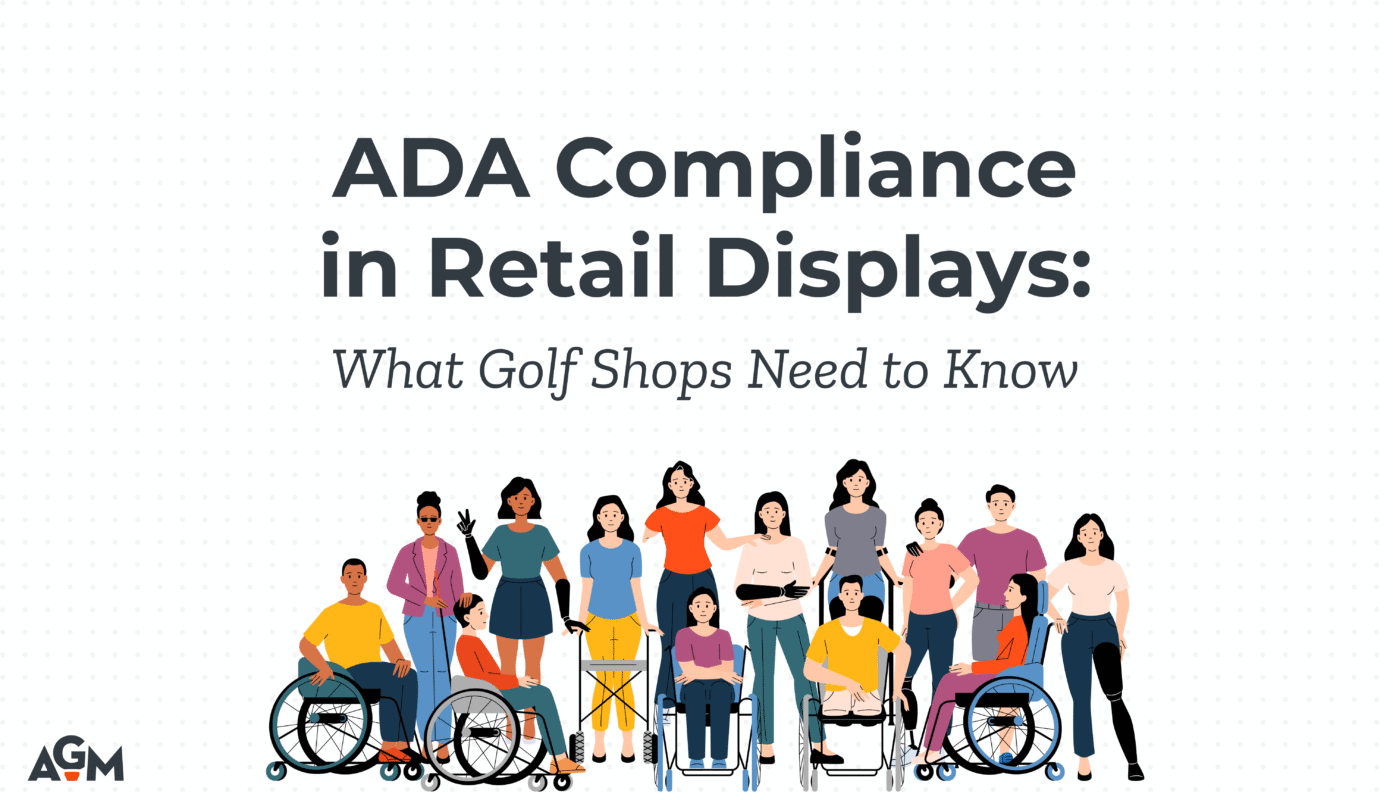
Creating an inviting, easy-to-navigate golf shop is about more than good design. It is about making sure every customer feels welcome and comfortable in your space. The Americans with Disabilities Act (ADA) sets standards to help businesses do just that, ensuring equal access for everyone who walks through your doors. For golf retailers, it is not just a matter of compliance. It is a reflection of the hospitality and attention to detail that define your shop.
Space Allowances: Give Everyone Room to Move
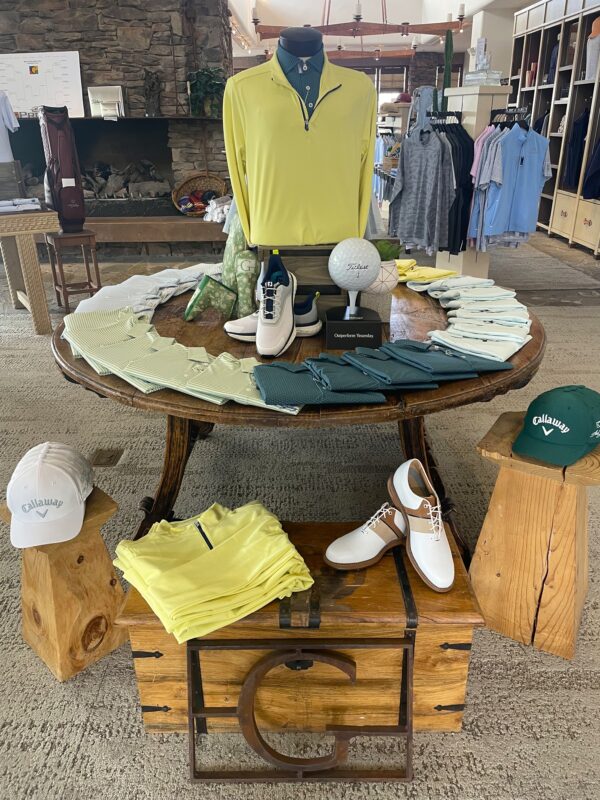
A well-designed shop should allow customers to browse without feeling cramped. According to ADA guidelines, accessible routes must be at least 36 inches wide to accommodate wheelchairs and mobility devices. In tighter areas, like between display tables or near the counter, a 60-inch turning radius helps guests navigate comfortably.
If your shop uses racks or circular fixtures, check that there is still enough space for someone to pass through without bumping into displays. Accessibility and good design go hand in hand. A shop that feels open, intentional, and easy to move through is more enjoyable for every shopper.
Sight Lines: Displays That Everyone Can See
Eye level is not the same for everyone. When setting up your displays, ensure that key products, signage, and pricing information are visible from both seated and standing positions. ADA recommendations suggest a maximum reach height of 48 inches and a minimum of 15 inches from the floor for accessibility.
In practical terms, think about placing a variety of products (both small and large) within easy reach for all shoppers. Rotate key items through accessible height ranges so everyone can comfortably interact with what you’re promoting. Mixing heights across your displays not only meets accessibility standards but also creates visual rhythm that draws attention throughout the shop.
Customer Navigation: Make It Easy to Explore
Wayfinding matters. Clear sight lines, simple pathways, and good lighting help all shoppers feel comfortable. Avoid cluttered floor displays that block traffic flow or create obstacles for those using mobility aids.
If your shop has carpet, make sure it is low-pile and securely attached to prevent trips or snags. Even small touches, like contrasting floor textures between departments, can help guide customers naturally through your space.
Staff Awareness: The Human Element
Even the best layout cannot replace great service. Train your team to assist respectfully and proactively by offering help without assumption. Encourage staff to notice potential barriers such as a misplaced rack or blocked entryway and address them immediately. Accessibility is not a one-time project. It is an ongoing mindset.
Conclusion
Whether you are widening an aisle, adjusting a display, or improving signage, every step toward accessibility creates a more inclusive experience for your customers. Designing your shop with accessibility in mind enhances traffic flow, elevates visual appeal, and makes it easier for everyone to enjoy the products you’ve curated. The result is a space that not only meets ADA standards but also reflects the spirit of golf itself — open and meant to be shared.
For more information on ADA mobility standards, check out the ADA website.
To join a merchandiser community and gain weekly educational opportunities and resources, sign up to become a member of the AGM.

The Overlooked Power of Signage in Golf Retail
Could your golf shop be losing out on sales? Discover how signage in golf retail [...]
Oct
Behind the Curtain at Antigua
Go behind the scenes on an Antigua Factory Tour as AGM members discover the craftsmanship [...]
Oct

Building a Golf Shop Culture People Want to Be Part Of
What makes a great golf shop team? Discover how everyday leadership moments build stronger teams [...]
Oct

What’s Trending in Women’s Fashion 2026 and What It Could Mean for Golf
Explore Women’s Fashion 2026 trends from MAGIC Las Vegas and see how lace, color, prints [...]
Oct

The Shrink You Don’t See: What Golf Shops Can Learn from How the Rest of Retail Thinks About Loss
Shrink is costing golf shops more than theft. See how tighter operations, better habits and [...]
Oct

Tools and Tech Ideas to Improve Your Golf Shop Sales & Engagement
How can tools and tech turn your shop into an experience? Explore practical ideas for [...]
Oct
Golf Style is Loosening Up Without Losing Its Roots
Golf style is evolving with bold polos, textures and streetwear influence, helping retailers reach younger [...]
Sep

Registration Is Open for the 2027 AGM Retail Conference
It's official: registration is now open for the 2027 AGM Retail Conference! See what’s ahead [...]
Sep