

Written by Justine Cook
Buying is one of the most exciting parts of retail, but the truth is, planning to buy is of equal importance. Preparation is where a professional buyer separates themselves from a reactive one. Planning to buy means taking a strategic, numbers-driven approach that connects your open-to-buy, inventory turns, vendor mix, and delivery schedule into one cohesive retail strategy.
Define the Purpose Behind Every Dollar
Before placing a single order, clarify your retail goals. Ask yourself:
- Is my shop a profit center or a member service?
- What are my sales and margin objectives for the season?
- Which product categories need focus or expansion?
Knowing your purpose shapes every buying decision and prevents over-ordering. Your open-to-buy plan becomes more than a spreadsheet, it’s a roadmap for profitability.
Use Data to Make Smart Decisions
A strong buyer relies on evidence, not assumptions. Key areas to analyze include:
- Past sales reports by category and vendor
- Inventory turns and sell-through rates
- Cost of sales and markdown percentages
- Trends in seasonal demand or member requests
Historical numbers give you clarity on where to allocate dollars and which categories deserve careful attention.
Research and Know Your Customer
Your buying decisions should reflect your members’ needs, not your personal preferences. Consider:
- Demographics: age, income, lifestyle, and profession
- Buying behaviors: brand loyalty, price sensitivity, repeat visits
- Local competition: what other retail outlets offer
- Industry trends: new fabrics, styles, and colors
Tools to gather insights include surveys, direct feedback, sales reports, in-store observations, and competitor analysis. The better you know your members, the more accurately you can tailor your assortment.
Plan Delivery Timing and Inventory Flow
Thoughtful planning also ensures merchandise arrives at the right time:
- Deliver products one month prior to peak selling season
- Stagger deliveries for fresh floor displays and flexibility
- Avoid frontloading to prevent overcrowding and tied-up cash
- Align stock levels with projected turnover and sales goals
Professionalism and Preparation Go Hand-in-Hand
Entering vendor meetings prepared maximizes results:
- Bring budget numbers, previous sales, and open-to-buy plans
- Know which categories or vendors to expand or test
- Take notes, photos, and organize feedback for post-meeting review
Thoughtful preparation and purchasing with intention ensure every piece you bring into the shop serves a purpose, supports your goals, and enhances the member experience. In short: preparation is buying smarter.
To join a merchandiser community and gain weekly educational opportunities and resources, sign up to become a member of the AGM.
Registration Is Open for the 2027 AGM Retail Conference
It's official: registration is now open for the 2027 AGM Retail Conference! See what’s ahead [...]
Sep
Mahjong Is Finding a Home at Golf and Country Clubs
Is mahjong on your golf shop radar? Discover why the game is growing at clubs [...]
Sep
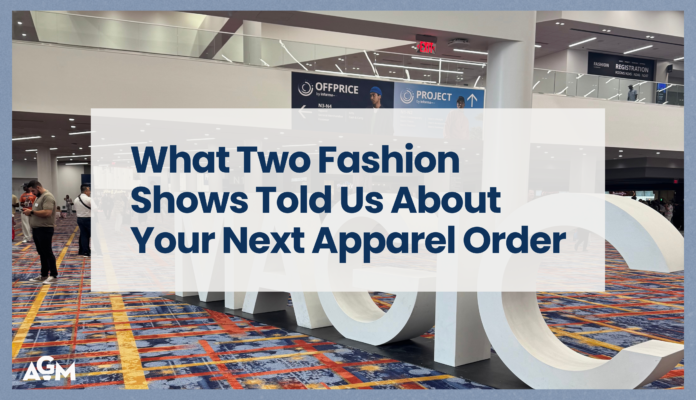
What Two Fashion Shows Told Us About Your Next Apparel Order
See what two fashion shows revealed about Spring/Summer 2027 trends and how they can shape [...]
Sep
Football Season in the Golf Shop: Displays, Promotions and Member Engagement Ideas
Bring football season into the golf shop with spirited displays, friendly rivalries, game-day promotions and [...]
Sep

Grandparents Day in the Golf Shop: Easy Ways to Celebrate
From gift displays and personalization to promotions, cards, and treats, discover how your golf shop [...]
Sep
Year-End Returns: An Inventory Tool, Not an Exit Strategy
Are freight, restocking fees, paperwork, and time really worth the return? Rethink inventory and discover [...]
Aug

What They Really Sell at St Andrews, the Home of Golf
From tartan to the Swilcan Bridge, discover how St Andrews turns the history and emotion [...]
Aug

Beyond the Polo: How Yardage Company Is Bringing Custom Graphics to Golf Shops
Discover how Yardage Company brings golf course stories to life through custom graphics, T-shirts, hoodies, [...]
Aug