

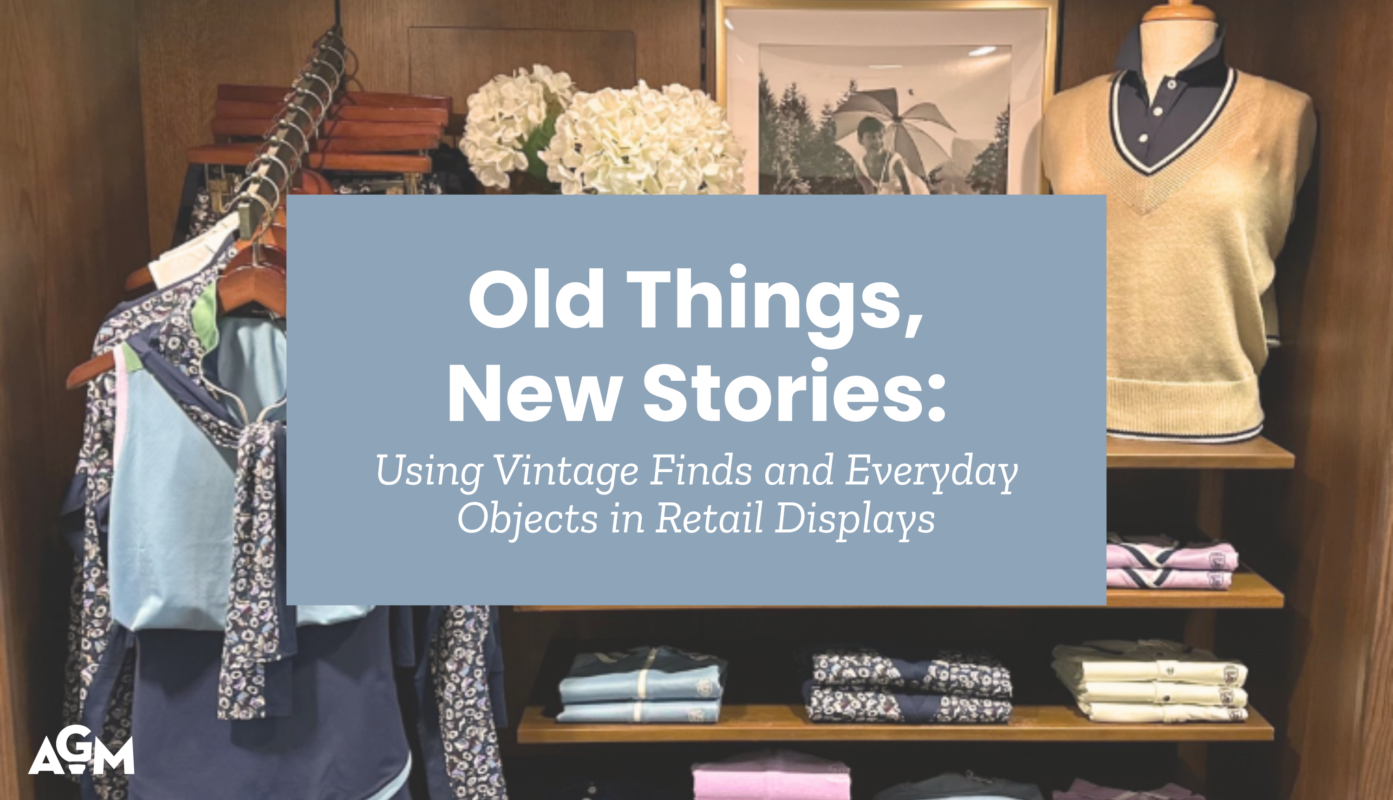
Not every memorable display comes from a catalog.
Some of the most compelling merchandising moments begin with an old ladder, a collection of vintage frames, a salvaged window, or a flea market find that was never intended to be a retail fixture in the first place.
In an era when consumers are surrounded by polished retail environments, displays that incorporate unexpected materials often stand out because they feel authentic. They create a sense of discovery, add personality to the shop, and help tell a story that goes beyond the products themselves.
For golf shops, incorporating vintage pieces, architectural salvage, and repurposed everyday objects can be an effective way to create displays that feel unique to the facility while adding visual interest throughout the space.
Look Beyond Traditional Fixtures
When most merchandisers think about displays, they picture tables, mannequins, shelving, and racks. While those elements remain essential, some of the most engaging displays come from objects that were originally designed for an entirely different purpose.
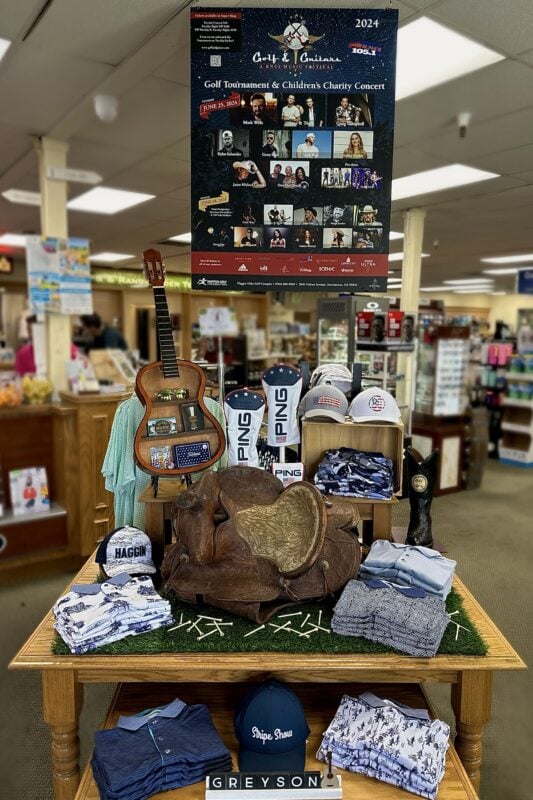
An antique ladder can become a display for headcovers or accessories. Vintage wooden crates can create varying heights within a tabletop presentation. Old lockers, trunks, doors, windows, or reclaimed wood panels can become focal points that anchor an entire display story.
The goal isn’t simply to reuse an object. It’s to see potential where others might see clutter.
Many successful merchandisers develop the habit of looking at everyday objects and asking a simple question: “What else could this be?”
Create a Sense of Place
One advantage golf shops have over many retailers is that every facility already has a story worth telling.
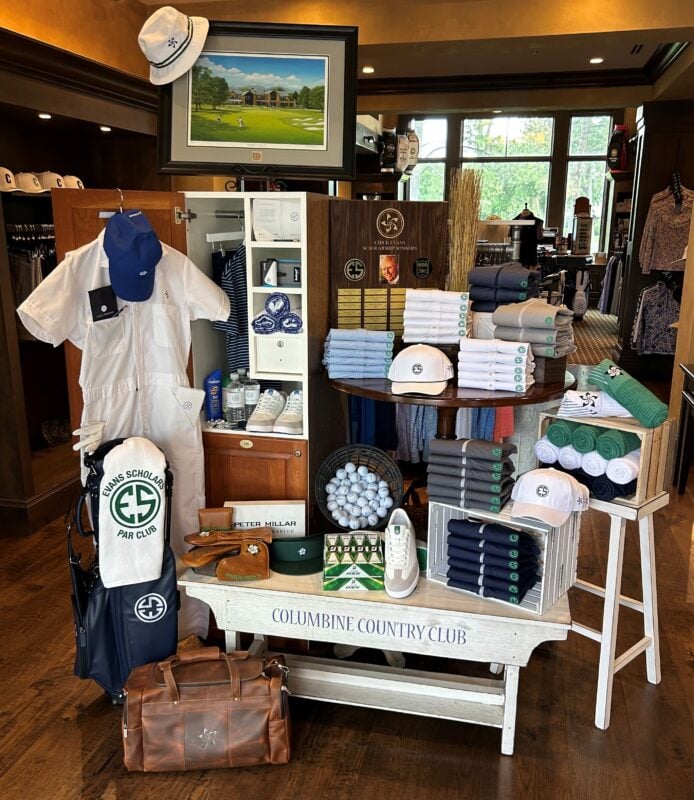
Historic photographs, retired scorecards, old golf bags, vintage clubs, tournament memorabilia, and architectural pieces from previous clubhouse renovations can all become display elements that reinforce the identity of the club.
These items both decorate a space and connect members to the history and traditions of the facility.
A display featuring a new collection of logoed merchandise becomes far more memorable when paired with photographs from the club’s early years. Likewise, a wall featuring vintage clubs or historic tournament imagery can create a backdrop that instantly feels unique to that property.
When members recognize pieces of their club’s story, displays become more personal and meaningful.
The Power of Collected Objects
Collections naturally draw attention.
A single vintage frame may go unnoticed, but a gallery wall made from twenty mismatched frames becomes a destination.
The same principle applies throughout visual merchandising. Collections of antique golf balls, scorecards, trophies, vintage tees, postcards, books, or local artifacts can create visual impact while supporting nearby merchandise. These displays work because they encourage customers to pause, explore, and look more closely.
Shop Local for Display Inspiration
Some of the best display materials can be found close to home. Antique stores, flea markets, estate sales, architectural salvage yards, thrift stores, and community marketplaces are often filled with unique pieces waiting for a second life. The key is to focus on texture, shape, scale, and storytelling potential rather than the original purpose of the item.
An old wooden window frame may become a backdrop for apparel. A collection of antique suitcases could support a travel-themed display. Reclaimed wood can add warmth and dimension to otherwise simple presentations.
Let the Product Remain the Hero
As fun as vintage props can be, it’s important to remember that the display exists to support the merchandise, not compete with it.
A common mistake is allowing the prop to become more interesting than the product itself.
The most effective displays strike a balance. The vintage object provides context, texture, and personality, while the merchandise remains the focal point.
If shoppers remember the antique ladder but can’t remember what was displayed on it, the display may need refinement.
Every prop should have a purpose, and every display should ultimately guide attention back to the product.
Start Looking Differently
Creative merchandising often begins with a shift in perspective.
The next time you visit an antique store, walk through a flea market, or clean out a storage room, look beyond an object’s original purpose. Consider how it could display merchandise, support a story, or create a memorable moment within your shop.
The most distinctive retail environments aren’t always built with the newest fixtures. Often, they’re created by merchandisers who see possibility in the unexpected and find new ways to bring old objects back to life.
To join a merchandiser community and gain weekly educational opportunities and resources, sign up to become a member of the AGM.
Golf Style is Loosening Up Without Losing Its Roots
Golf style is evolving with bold polos, textures and streetwear influence, helping retailers reach younger [...]
Sep

Registration Is Open for the 2027 AGM Retail Conference
It's official: registration is now open for the 2027 AGM Retail Conference! See what’s ahead [...]
Sep

Mahjong Is Finding a Home at Golf and Country Clubs
Is mahjong on your golf shop radar? Discover why the game is growing at clubs [...]
Sep
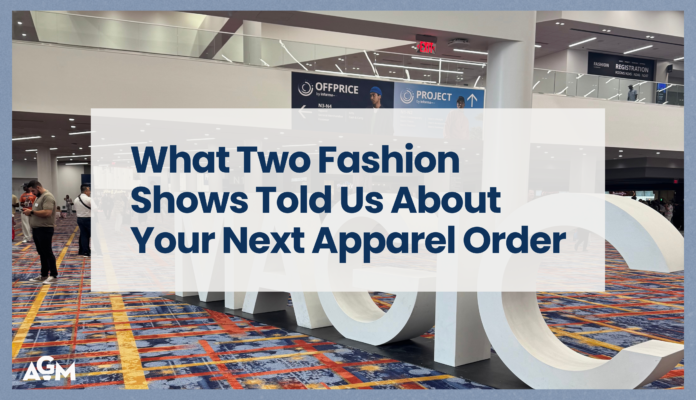
What Two Fashion Shows Told Us About Your Next Apparel Order
See what two fashion shows revealed about Spring/Summer 2027 trends and how they can shape [...]
Sep

Football Season in the Golf Shop: Displays, Promotions and Member Engagement Ideas
Bring football season into the golf shop with spirited displays, friendly rivalries, game-day promotions and [...]
Sep

Grandparents Day in the Golf Shop: Easy Ways to Celebrate
From gift displays and personalization to promotions, cards, and treats, discover how your golf shop [...]
Sep
Year-End Returns: An Inventory Tool, Not an Exit Strategy
Are freight, restocking fees, paperwork, and time really worth the return? Rethink inventory and discover [...]
Aug
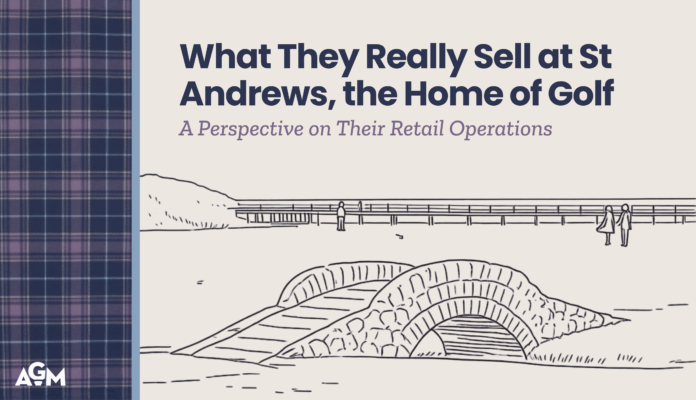
What They Really Sell at St Andrews, the Home of Golf
From tartan to the Swilcan Bridge, discover how St Andrews turns the history and emotion [...]
Aug