

Insights from Leigha Turner, Owner of Retail Resolutions
Walk into almost any luxury department store, and you’ll find designer names prominently displayed throughout the space. Chanel, Gucci, Louis Vuitton. These retailers understand that brand recognition is part of the shopping experience, and they make it easy for customers to find the names they’re looking for.
Yet in golf retail, vendor signage is sometimes treated as an afterthought. Some shops avoid it out of concern that it will feel too commercial, while others simply overlook opportunities to incorporate it into their displays. Either way, retailers may be missing one of the simplest ways to connect customers with merchandise.
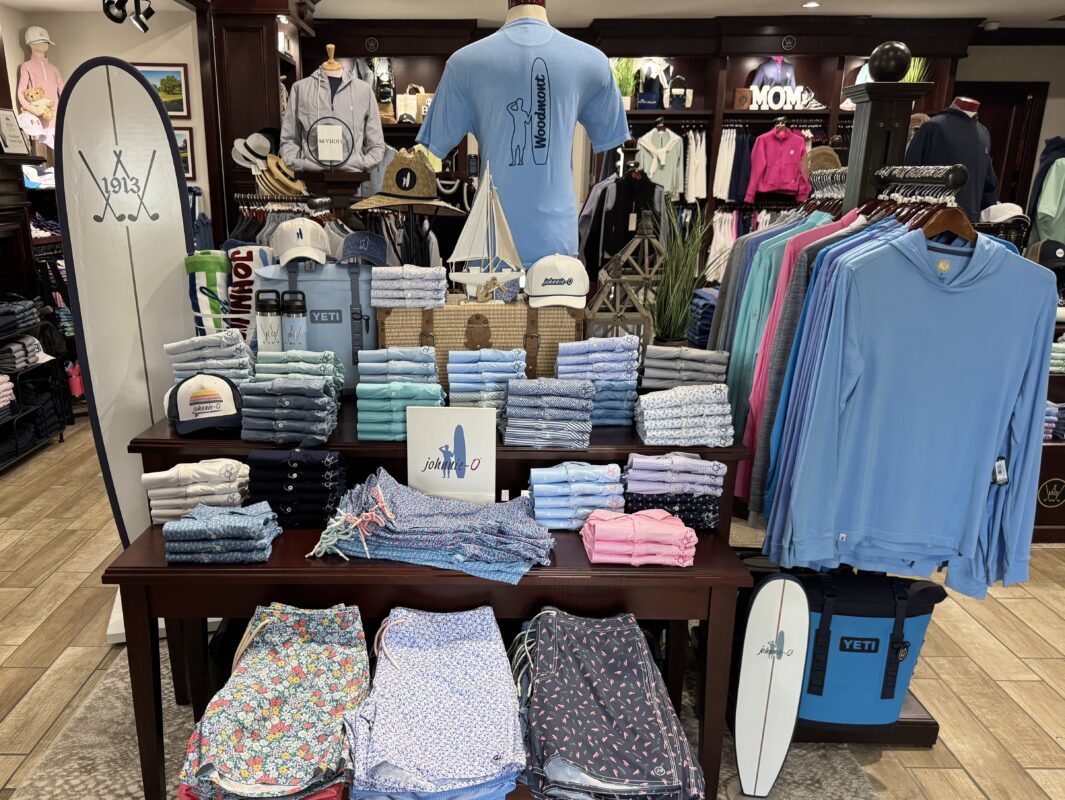
Golfers can be particularly loyal to their favorite brands. When they recognize the names and logos of some of their favorites, they will be more inclined to browse the display. If that signage is missing, they might walk right past merchandise they would otherwise be interested in purchasing.
Of course, having the right signage isn’t always as simple as placing whatever a vendor sends onto a fixture. Sometimes, what a vendor sends simply doesn’t work in your space, whether it’s too tall, too wide, or doesn’t complement the display. Rather than abandoning the signage altogether, contact your vendor representative and ask whether a different version is available. Oftentimes, it is.
When Signage Becomes Customer Service
Brand identification is only one part of the equation. Some of the most valuable signs are those that answer questions customers might not know how to ask.
Imagine a grandfather stopping by the golf shop to purchase a logoed outfit for his two-year-old grandchild. He knows roughly what he’s looking for, but isn’t familiar with toddler clothing sizes. The young assistant golf professional helping him may be equally unsure. What if a simple sizing guide displayed alongside the merchandise could eliminate that confusion?
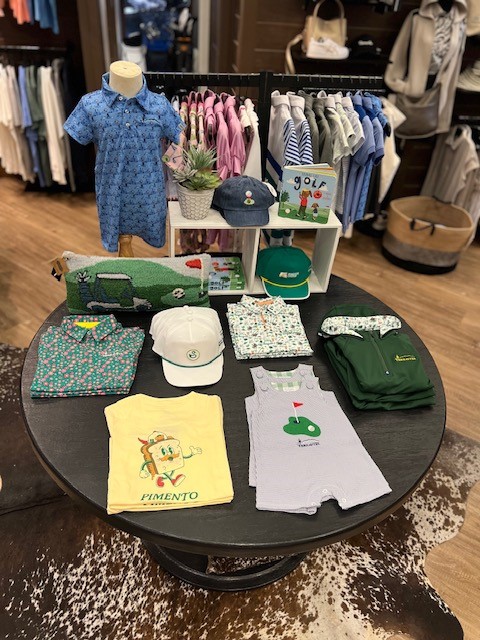
A small sign showing infant and toddler sizes alongside approximate age ranges could make it easier for both customers and employees to identify the right fit. It wouldn’t require an elaborate display or a significant investment. Even a reusable letter board could provide the information needed to make shopping in an unfamiliar category a little easier.
The value of a sign like this extends beyond a single transaction. It allows an employee who isn’t particularly familiar with children’s apparel to confidently assist a customer, even when the merchandise manager isn’t available.
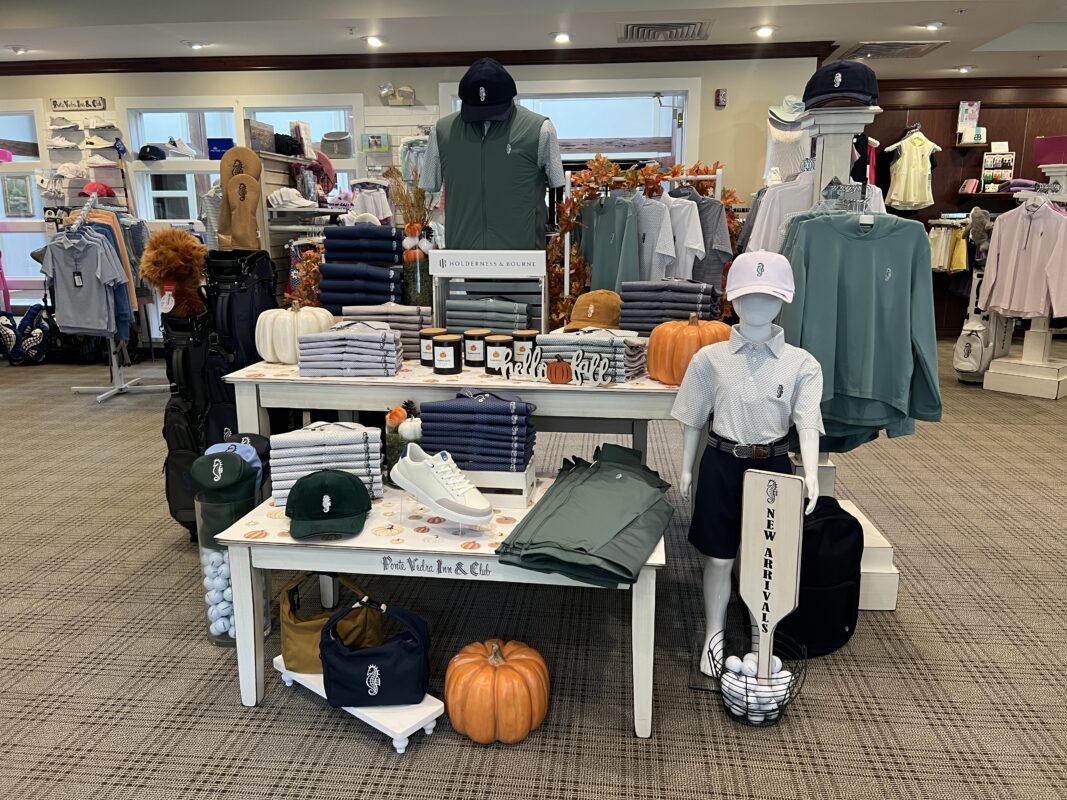
The same idea can be applied throughout the shop. New arrivals, seasonal merchandise, and special events all present opportunities to communicate with shoppers before they need to approach the counter.
A collection of chalkboards, letter boards, and other reusable signs can make that communication easier. More importantly, having multiple options allows a shop to highlight gifts in one area while promoting new arrivals somewhere else.
Even the Markdown Section Has a Story to Tell
Perhaps nowhere is thoughtful signage more important than in the markdown section.
These are often the products a retailer has owned the longest and needs to move the soonest. Despite that urgency, markdown merchandise can end up tucked into a corner, crowded onto a rack, and left without a sign to explain what shoppers are looking at.
But discounted merchandise is still merchandise worth presenting well.
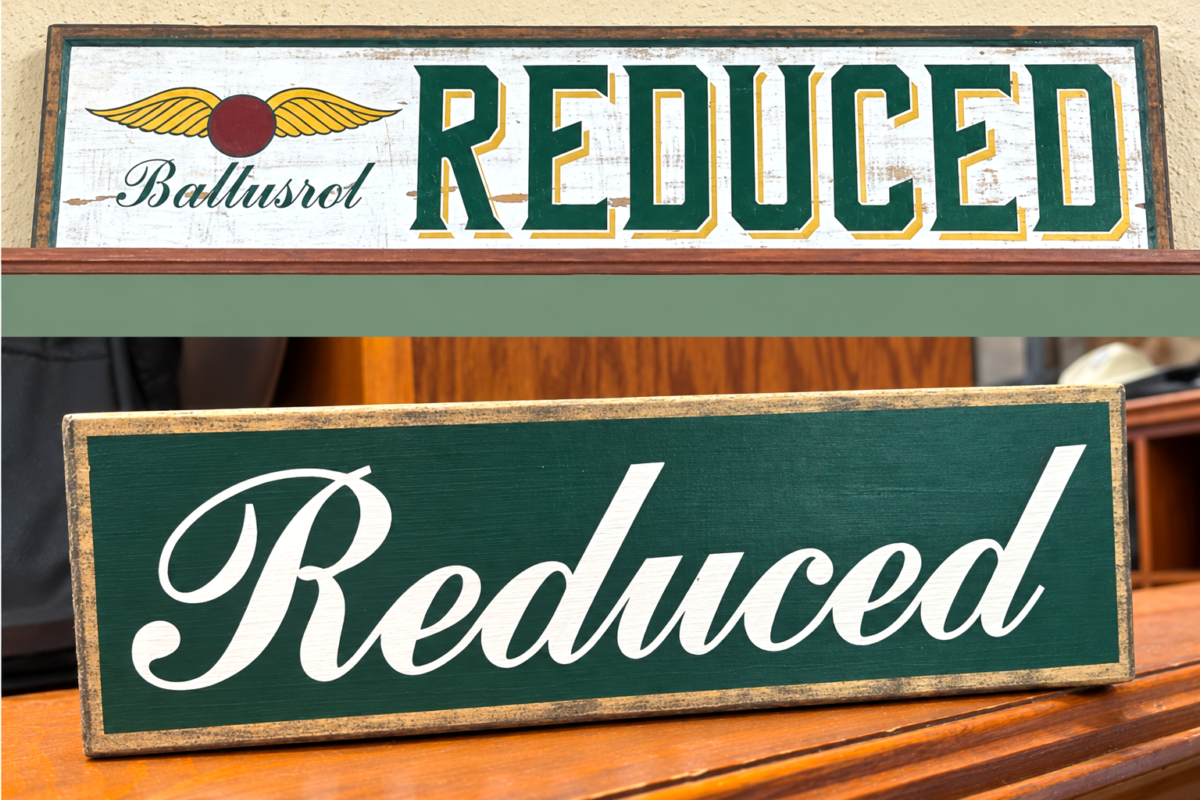
At Baltusrol Golf Club in Springfield, NJ, the team faced an interesting challenge. The word “Sale” didn’t quite fit the atmosphere they wanted to maintain. Rather than forgo the signage, the club’s visual merchandiser created a custom-painted sign featuring the word “Reduced.”
The change was subtle, but it allowed the shop to communicate the same message in a way that felt more consistent with its identity.
That distinction matters. A private club with a more traditional atmosphere may approach promotional messaging differently than a casual daily-fee facility. Neither approach is necessarily better. The important part is that the language and presentation feel intentional.
And whether the sign reads “Sale,” “Reduced,” or something else entirely, the markdown section deserves the same consideration as a fixture filled with the latest arrivals.
Take Another Look Around the Shop
For many retailers, improving signage doesn’t require starting from scratch. The materials may already exist, whether they’re sitting in storage, tucked behind fixtures, or waiting to be requested from a vendor.
A seasonal review can reveal surprising gaps. Perhaps the men’s department has prominent brand signage while the women’s section carries the same label without any identification. Maybe a damaged sign was thrown away months ago and never replaced. Or perhaps a perfectly good sign has been sitting unused because it doesn’t fit the fixture it was originally intended for.
The next step is thinking beyond what vendors provide. A shop’s own collection of reusable signage can communicate the messages that are most relevant to its customers, from upcoming holidays to sizing information and promotional merchandise.
Ultimately, effective signage isn’t about putting a label on every available surface. Instead, the goal is to recognize where a little more information could make the shopping experience easier.
Sometimes that’s helping a loyal customer find a favorite brand. Sometimes it’s giving a grandfather the confidence to purchase a toddler-sized sweatshirt. And sometimes it’s simply letting shoppers know that the merchandise in the corner has been reduced.
In each case, a thoughtfully placed sign can accomplish something valuable before an employee ever says a word.
To join a merchandiser community and gain weekly educational opportunities and resources, sign up to become a member of the AGM.
The Overlooked Power of Signage in Golf Retail
Could your golf shop be losing out on sales? Discover how signage in golf retail [...]
Oct
Behind the Curtain at Antigua
Go behind the scenes on an Antigua Factory Tour as AGM members discover the craftsmanship [...]
Oct

Building a Golf Shop Culture People Want to Be Part Of
What makes a great golf shop team? Discover how everyday leadership moments build stronger teams [...]
Oct
What’s Trending in Women’s Fashion 2026 and What It Could Mean for Golf
Explore Women’s Fashion 2026 trends from MAGIC Las Vegas and see how lace, color, prints [...]
Oct
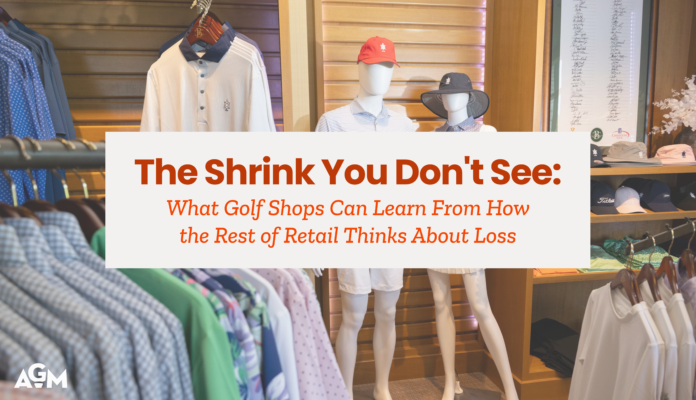
The Shrink You Don’t See: What Golf Shops Can Learn from How the Rest of Retail Thinks About Loss
Shrink is costing golf shops more than theft. See how tighter operations, better habits and [...]
Oct

Tools and Tech Ideas to Improve Your Golf Shop Sales & Engagement
How can tools and tech turn your shop into an experience? Explore practical ideas for [...]
Oct
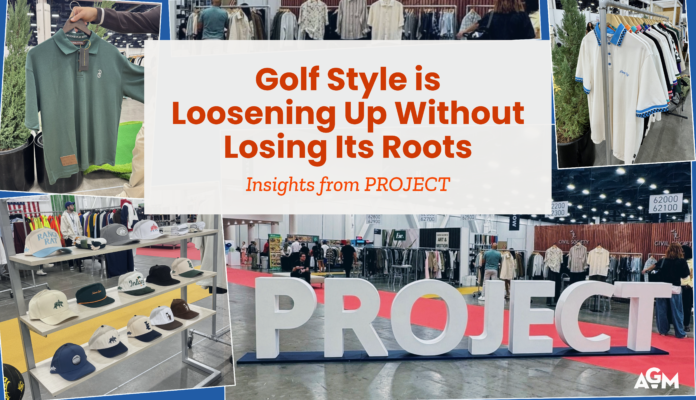
Golf Style is Loosening Up Without Losing Its Roots
Golf style is evolving with bold polos, textures and streetwear influence, helping retailers reach younger [...]
Sep

Registration Is Open for the 2027 AGM Retail Conference
It's official: registration is now open for the 2027 AGM Retail Conference! See what’s ahead [...]
Sep