

With insights from Jen O’Hare, Founder/CEO of Belle Box Co.
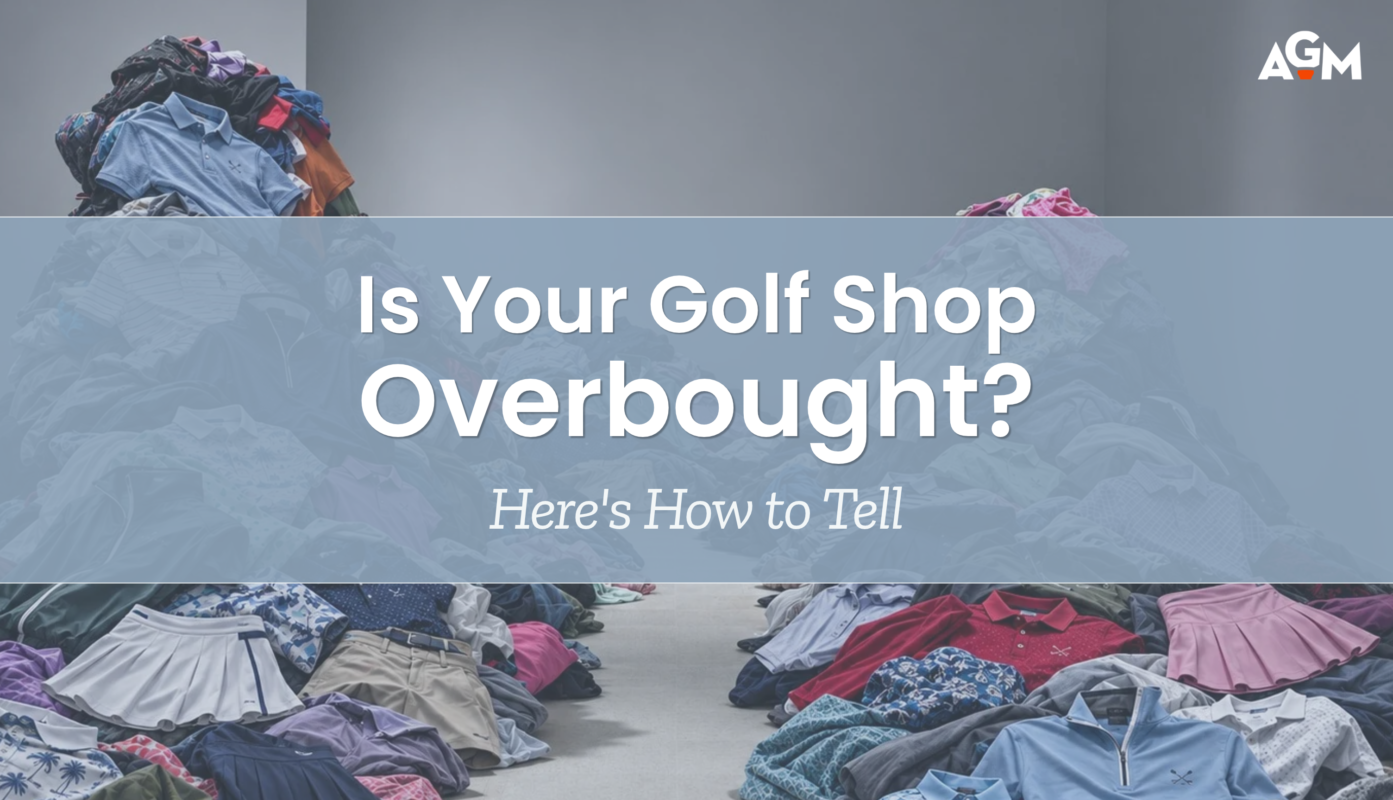
There’s nothing quite like the excitement of new merchandise arriving at your golf shop. Fresh apparel, new accessories, and shelves full of products you were certain your members would love. But what happens when those products aren’t moving quite as quickly as you expected?
Before you know it, the stockroom is getting crowded, another shipment is on its way, and you’re wondering whether you may have bought a little too much.
Here’s the thing: Being overbought doesn’t necessarily mean you purchased too much inventory. Sometimes, it simply means you don’t have enough selling time left to sell what you have.
And recognizing that distinction can make a big difference in how you manage your shop.
Look Beyond the Inventory Numbers
When evaluating whether your golf shop is overbought, it’s tempting to focus entirely on how much merchandise you have on hand. But inventory levels only tell part of the story.
Consider how much selling time remains in your season. A large assortment of summer apparel might make perfect sense in May, but that same inventory could become a concern heading into September.
Being overbought isn’t always a bad thing. Sometimes it’s strategic and intentional. The important thing is recognizing it early enough to actually do something about it.
Ask yourself:
- How much inventory do I currently have on hand?
- How quickly is that merchandise selling?
- How many weeks of selling time do I have left?
- What additional merchandise is scheduled to arrive?
- Are certain categories or styles consistently underperforming?
Pay particular attention to incoming purchase orders. If you already have an abundance of a certain product and another delivery is approaching, you may need to reevaluate your strategy before that shipment arrives.
Your Sales Floor Might Tell You First
Not every inventory concern announces itself in a report. Sometimes, the warning signs are right in front of you.
You’ll probably spot these first visually on your sales floor or in the stockroom, before they even show up as a concern in your reports.
Take a walk through your golf shop. Are the same styles sitting untouched week after week? Are certain fixtures becoming overcrowded? Have you noticed that a particular category isn’t getting the attention you anticipated?
These observations can be just as valuable as reviewing your sales data.
It’s also worth considering whether you’re buying merchandise out of habit. Buying out of habit is a real thing. Whether it’s a case of “last-year-itis” or buying because you have a great relationship with a sales representative, it’s something to be aware of.
After all, every SKU should earn a place in your store. Previous success doesn’t automatically guarantee future demand, and even your most familiar products deserve an occasional second look.
Being Overbought Isn’t Always a Bad Thing
Believe it or not, there are situations where carrying more inventory than originally planned makes sense.
Perhaps you secured an unbelievable off-price opportunity that wasn’t in your original buying plan, but it was simply too good to pass up. Or maybe you intentionally purchased additional merchandise to support an upcoming tournament.
Sometimes, buying more is a calculated decision that benefits your operation.
The important thing is understanding how those purchases affect the rest of your business. Being overbought ties up cash flow and limits your flexibility, particularly when you have additional merchandise on the way.
And while it can be tempting to hope that sales will eventually pick up, waiting too long to respond can make the situation harder to manage.
Catch It Early, While You Still Have Options
The longer underperforming inventory sits, the fewer choices you may have for moving it.
Spotting overbought categories early or mid-season is actually pretty simple. It’s a matter of checking in often, weekly if possible, and asking yourself the right questions.
Rather than waiting until the end of the season to evaluate your inventory position, make a habit of reviewing sales performance, current inventory, incoming orders, and remaining selling time.
From there, you can decide whether to adjust future orders, shift buying dollars, introduce a promotion, or take another approach that makes sense for your shop.
Remember, your buying plan isn’t something that you execute. It’s something that you manage. You made your original purchasing decisions with the best information available at the time, but that doesn’t mean you have to stick with them when your business starts telling you something different.
The goal isn’t to predict every inventory challenge perfectly. It’s to recognize what’s happening while you still have time to respond.
A successful buying strategy isn’t just about what you bring into your golf shop. It’s about knowing when to make adjustments to what you already have.
To join a merchandiser community and gain weekly educational opportunities and resources, sign up to become a member of the AGM.
Is Your Golf Shop Overbought? Here’s How to Tell
Being overbought isn't always about having too much inventory. It's about having enough time to [...]
Nov

The Next Great Golf Brand Is Waiting to Be Discovered
Discover why making time for new vendors is essential to successful merchandising in a golf [...]
Nov

Make Your Membership Matter: Getting More from the AGM
Jennifer Roddy reflects on 30 years of involvement in AGM, the relationships built along the [...]
Nov

Freight Is Eating Your Margin – How Golf Retailers Can Fight Back Against Rising Shipping Costs
Discover practical ways to reduce shipping costs, improve freight management, and protect profitability in your [...]
Nov

Making Spirits Bright: Creative Holiday Promotions for Your Golf Shop
Bring a little extra cheer to your golf shop with creative holiday promotions, festive shopping [...]
Oct

Think Pink: Making the Most of Holiday Shopping
Looking to boost holiday sales? Explore how Pink Friday and Small Business Saturday can bring [...]
Oct

The Overlooked Power of Signage in Golf Retail
Could your golf shop be losing out on sales? Discover how signage in golf retail [...]
Oct

Behind the Curtain at Antigua
Go behind the scenes on an Antigua Factory Tour as AGM members discover the craftsmanship [...]
Oct