


Written by Katelyn Madsen | 3-minute read
Have you ever worked hard on a project, only to be met with complete silence—not even a vague “looks good”?
When there’s no feedback at all, it’s hard to know where you stand or how to grow. You’re left second-guessing your decisions, wondering if you met expectations or completely missed the mark. Over time, that lack of clarity can lead to frustration, disengagement, and stalled development, especially for team members who are eager to learn and improve.
In today’s rapidly evolving workplace, giving feedback isn’t just a routine HR function—it’s a strategic tool. Whether you’re leading a hybrid team, onboarding Gen Z, or working to retain top performers, one skill makes the biggest difference: clear, consistent communication.
Why Feedback Is a Non-Negotiable Skill in Today’s Workplace
With fewer in-person check-ins and more distributed teams, consistent communication has become harder—but more necessary—than ever. In fact, research shows that remote and hybrid employees receive about 20% less feedback than their in-office counterparts. This feedback gap hits younger and newer employees hardest, often leaving them feeling disconnected or uncertain about their progress.
This matters because employees expect to be developed when you hire them. According to Gallup, a lack of development and career growth is one of the top reasons people leave a job. And in today’s competitive talent market, that’s a risk most organizations can’t afford. Nowhere is this feedback gap more important—or more misunderstood—than with the newest generation of workers.
Enter Gen Z. This generation is reshaping the workplace, and one of their top expectations is frequent, growth-oriented feedback. A recent study found that 60% of Gen Z employees want feedback weekly or more often, and 73% say they’re more likely to leave a job if they don’t receive it. They’re not seeking constant praise—they’re looking for coaching, clarity, and real opportunities to grow. And with the World Economic Forum projecting that Gen Z will comprise 27% of the global workforce by 2025, it’s a shift employers can’t afford to ignore.
Organizations that invest in a strong feedback culture don’t just boost morale—they also improve retention. Gallup reports that regular coaching and recognition can reduce employee turnover significantly, with well-recognized employees being 45% less likely to leave over two years.
But, before you deliver feedback, make sure expectations and goals are clearly defined and achievable. Feedback only works when it’s rooted in shared understanding.
In short: the way you communicate feedback in 2025 could be the difference between losing talent—or keeping it engaged and growing.

What Great Feedback Looks Like
Feedback isn’t about criticism—it’s about communication. Done well, it fuels performance, boosts morale, and inspires growth. But done poorly, it can demotivate, disengage, or even drive people away.
So, what does good feedback look like? Here are a few core principles:
- Be specific and timely: Vague, delayed feedback doesn’t help anyone. The more actionable and immediate, the better.
- Focus on behaviors, not personality: Feedback should address what someone does, not who they are.
- Balance corrective input with recognition: Don’t just point out what needs improvement—acknowledge what’s working, too. Think of the compliment sandwich: tell them something they are doing well, then something they need to work on, then something else you appreciate.
- Build trust first: That old saying—“People don’t care how much you know until they know how much you care”—rings especially true here. If you have built up a relationship with your team that is based on trust and respect, there will naturally be more receptivity to your feedback. Credibility and rapport are key.
Interestingly, feedback isn’t just tolerated—it’s sought after. In one study, 57% of employees said they prefer corrective feedback over praise. The key? Delivery. When feedback is framed as an opportunity for growth, most people welcome it.
Leading with Feedback in a Hybrid World
Managing a hybrid or remote team adds a layer of complexity to communication—especially when it comes to feedback. Without regular face time, it’s easy for employees to feel overlooked or unsure of where they stand. That’s why leaders must take a proactive approach to staying connected.
This starts with building intentional rhythms: weekly one-on-ones, brief post-project debriefs, and monthly team check-ins that go beyond tasks to include growth conversations. Use tools like Slack, Teams, or even short Loom videos to deliver feedback quickly and personally, instead of letting it pile up for a formal review.
It also means adapting your style to meet the needs of younger team members. Gen Z employees, in particular, thrive on regular coaching, immediate input, and clarity about how they’re doing. A quick Slack message like “Great job leading that call—your confidence really set the tone” can go a long way when it’s timely and specific.
From Occasional Feedback to Lasting Impact
If the only time your team hears feedback is during annual reviews, it’s time for a reset. High-performing teams don’t treat feedback as a box to check—they weave it into everyday conversations. They create space for ongoing coaching, recognition, and peer-to-peer growth.
The takeaway is simple: constructive feedback shouldn’t be an occasional event. It should be a consistent habit—one that drives growth, builds trust, and keeps your best people engaged for the long haul.
To join a merchandiser community and gain weekly educational opportunities and resources, sign up to become a member of the AGM.
Registration Is Open for the 2027 AGM Retail Conference
It's official: registration is now open for the 2027 AGM Retail Conference! See what’s ahead [...]
Sep
Mahjong Is Finding a Home at Golf and Country Clubs
Is mahjong on your golf shop radar? Discover why the game is growing at clubs [...]
Sep

What Two Fashion Shows Told Us About Your Next Apparel Order
See what two fashion shows revealed about Spring/Summer 2027 trends and how they can shape [...]
Sep

Football Season in the Golf Shop: Displays, Promotions and Member Engagement Ideas
Bring football season into the golf shop with spirited displays, friendly rivalries, game-day promotions and [...]
Sep

Grandparents Day in the Golf Shop: Easy Ways to Celebrate
From gift displays and personalization to promotions, cards, and treats, discover how your golf shop [...]
Sep
Year-End Returns: An Inventory Tool, Not an Exit Strategy
Are freight, restocking fees, paperwork, and time really worth the return? Rethink inventory and discover [...]
Aug
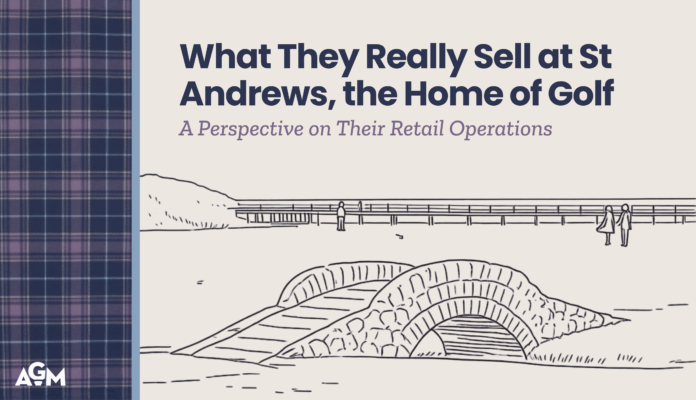
What They Really Sell at St Andrews, the Home of Golf
From tartan to the Swilcan Bridge, discover how St Andrews turns the history and emotion [...]
Aug

Beyond the Polo: How Yardage Company Is Bringing Custom Graphics to Golf Shops
Discover how Yardage Company brings golf course stories to life through custom graphics, T-shirts, hoodies, [...]
Aug