


Written by Ken Morton Jr.
In recent years, private label goods have seen a significant surge in popularity across various retail sectors, and the golf industry is no exception. As retailers and consumers alike continue to recognize the value and appeal of private label products, this trend has gained momentum, shaping the future of golf merchandising in ways that are both innovative and strategic.
According to a recent report by Circana, private-label brand sales in the U.S. increased by 6% year-over-year, reaching a staggering $217 billion in 2023. This growth is a clear indicator that consumers are increasingly turning to store-brand products, with private-label brands capturing a larger share of the market. In fact, private-label brands saw their share of total unit sales rise from 24.7% in 2022 to 25.5% last year.
The golf industry, known for its traditional ties to established name brands, is beginning to embrace this shift. Golf retailers are recognizing that private label goods not only offer a higher margin but also allow for greater control over branding and product differentiation. With the rise in consumer demand for high-quality, affordable products, golf merchandisers are seizing the opportunity to create unique, branded items that cater specifically to their customer base.
One of the driving forces behind this trend is the changing demographic of golf consumers. Millennials and Gen Xers, particularly those without children, have been identified as key contributors to the growth of private-label sales. These consumers, who value both quality and affordability, are more willing to explore private label options, especially as they seek to stretch their dollars amid economic uncertainties like inflation.
This demographic shift is particularly relevant for golf retailers looking to capture a younger, more cost-conscious audience. By offering private label goods, golf shops can provide value-driven alternatives to more expensive name-brand items, thereby appealing to a broader customer base. Additionally, private label products allow golf retailers to offer exclusive items that cannot be found elsewhere, further enhancing customer loyalty and brand identity.
The trend of private label growth is not limited to golf equipment and apparel. Across the retail sector, private-label brands in categories such as beauty, home goods, and general merchandise have also seen an uptick in sales. For golf retailers, this opens up opportunities to expand their private label offerings beyond traditional golf gear, potentially including items like golf-themed home décor, wellness products, and more.
Retail giants such as Target, Bass Pro Shop and Macy’s have been quick to capitalize on the growing interest in private label goods, launching new brands and revamping existing ones to meet consumer demand. Similarly, golf retailers are beginning to explore how they can innovate within their own private label lines. This could include collaborations with designers, offering limited-edition products, or creating more eco-friendly and sustainable options—trends that resonate strongly with today’s consumers.
The growing popularity of private label goods presents a significant opportunity for golf retailers to diversify their offerings and strengthen their market position. As more consumers turn to private label products for their quality, affordability, and exclusivity, golf merchandisers who embrace this trend will be well-positioned to capture a larger share of the market.
Conclusion
The rise of private label goods is a trend that golf retailers cannot afford to ignore. By strategically developing and promoting their own branded products, golf shops can not only increase their profitability but also build a stronger, more loyal customer base. As the retail landscape continues to evolve, private label goods will undoubtedly play a crucial role in shaping the future of golf merchandising.
To join a merchandiser community and gain weekly educational opportunities and resources, sign up to become a member of the AGM.
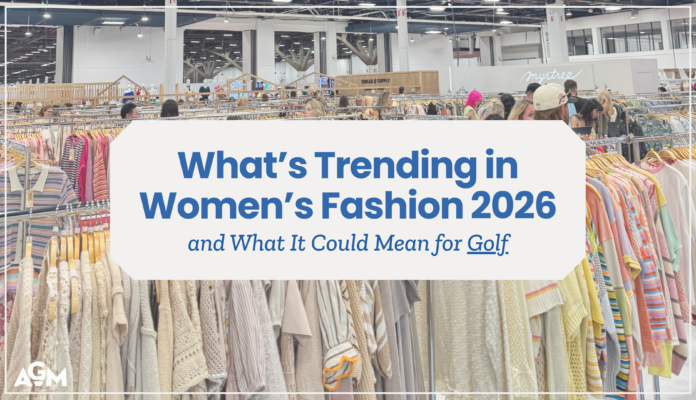
What’s Trending in Women’s Fashion 2026 and What It Could Mean for Golf
Explore Women’s Fashion 2026 trends from MAGIC Las Vegas and see how lace, color, prints [...]
Oct
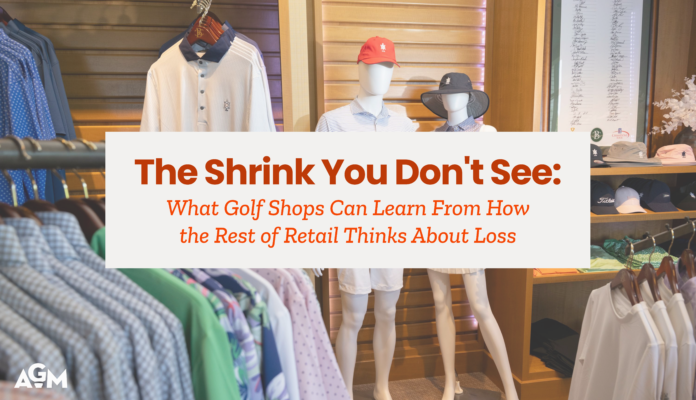
The Shrink You Don’t See: What Golf Shops Can Learn from How the Rest of Retail Thinks About Loss
Shrink is costing golf shops more than theft. See how tighter operations, better habits and [...]
Oct

Tools and Tech Ideas to Improve Your Golf Shop Sales & Engagement
How can tools and tech turn your shop into an experience? Explore practical ideas for [...]
Oct
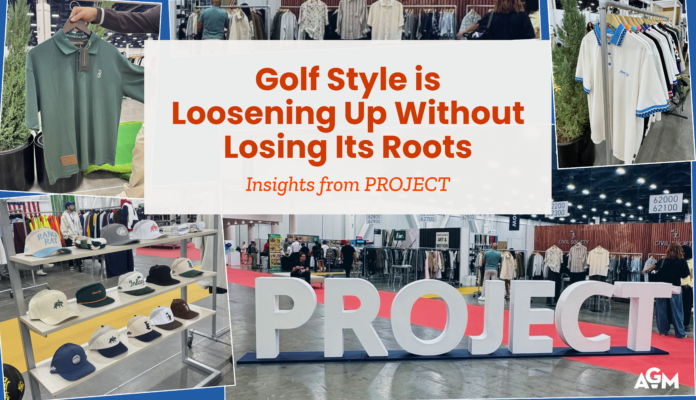
Golf Style is Loosening Up Without Losing Its Roots
Golf style is evolving with bold polos, textures and streetwear influence, helping retailers reach younger [...]
Sep

Registration Is Open for the 2027 AGM Retail Conference
It's official: registration is now open for the 2027 AGM Retail Conference! See what’s ahead [...]
Sep
Mahjong Is Finding a Home at Golf and Country Clubs
Is mahjong on your golf shop radar? Discover why the game is growing at clubs [...]
Sep
What Two Fashion Shows Told Us About Your Next Apparel Order
See what two fashion shows revealed about Spring/Summer 2027 trends and how they can shape [...]
Sep

Football Season in the Golf Shop: Displays, Promotions and Member Engagement Ideas
Bring football season into the golf shop with spirited displays, friendly rivalries, game-day promotions and [...]
Sep