

Written by Katelyn Madsen | 2-minute read
In retail, how you speak to customers matters just as much as what you sell. Certain phrases, even if unintentional, can come across as rude, dismissive, or unhelpful, ultimately damaging the relationship and the sale. Here’s how to fix that:
1. Don’t say: “I don’t know.”
On its own, it sounds like you don’t care to find out.
Say instead:
“That’s a great question. Let me double-check and get right back to you.”
Now you’re showing initiative and building trust.
2. Don’t say: “That’s not my job.”
Even if it’s true, this phrase makes customers feel dropped.
Say instead:
“Let me connect you with someone who can take care of that for you.”
You’re still taking ownership, which makes customers feel seen and builds confidence.
3. Don’t say: “Calm down.”
Nothing escalates tension faster than someone telling you to “calm down,” as it dismisses how you feel.
Say instead:
“I understand that this has been frustrating. Let’s figure it out together.”
You’re validating their emotions and offering a solution.
4. Don’t say: “You must have misunderstood.”
Remember the rule, “the customer is always right.” Telling them that they misunderstood puts the blame squarely on the customer, going against that rule.
Say instead:
“I can see how that came across. Let me explain it more clearly.”
Now you’re clarifying without pointing fingers.
5. Don’t say: “That’s just how it is.”
This sounds like you’re unwilling to make an effort.
Say instead:
“Let’s see if there’s any flexibility here. I’ll check for you.”
Even if the answer is no, the effort matters.
6. Don’t say: “If you had read the sign…”
This feels accusatory and condescending.
Say instead:
“I’m sorry that wasn’t clear. Let me walk you through it.”
You now shift the focus to helping, not blaming.
7. Don’t say: “That’s the manufacturer’s fault.”
Saying anything is someone’s “fault” doesn’t reflect well on your shop. Even if it is a manufacturer error, it can come across as dismissive or like you’re shifting blame.
Say instead:
“Let me handle that for you and follow up with the vendor if needed.”
This shows you’re willing to take initiative and act as an advocate for the customer, building trust and ownership in the process.
8. Don’t say: “Are you sure?”
Even if the customer is mistaken, questioning them directly can feel condescending or dismissive. It puts them on the defensive and can quickly escalate tension, especially if they’re already upset.
Say instead:
“Let’s take a look together and see what we can find.”
This keeps the conversation collaborative, preserves the customer’s dignity, and shows that you’re focused on solving the problem, not proving a point.
What Do All These Phrases Have in Common?
At the heart of each “bad” phrase is a need for patience, diplomacy, and grace. When we approach customers with a mindset of service, putting their needs first, and responding with kindness, we give the customer an opportunity to feel valued, heard, and supported. That kind of experience is what brings people back.
A little empathy goes a long way in retail, especially in a golf shop where relationships and reputation are everything.
To join a merchandiser community and gain weekly educational opportunities and resources, sign up to become a member of the AGM.

What’s Trending in Women’s Fashion 2026 and What It Could Mean for Golf
Explore Women’s Fashion 2026 trends from MAGIC Las Vegas and see how lace, color, prints [...]
Oct
The Shrink You Don’t See: What Golf Shops Can Learn from How the Rest of Retail Thinks About Loss
Shrink is costing golf shops more than theft. See how tighter operations, better habits and [...]
Oct

Tools and Tech Ideas to Improve Your Golf Shop Sales & Engagement
How can tools and tech turn your shop into an experience? Explore practical ideas for [...]
Oct
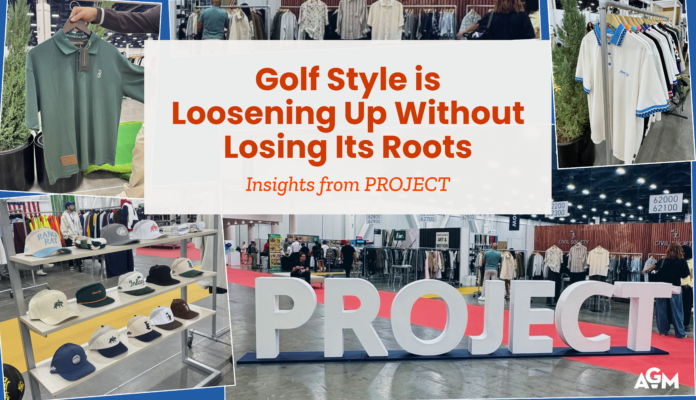
Golf Style is Loosening Up Without Losing Its Roots
Golf style is evolving with bold polos, textures and streetwear influence, helping retailers reach younger [...]
Sep
Registration Is Open for the 2027 AGM Retail Conference
It's official: registration is now open for the 2027 AGM Retail Conference! See what’s ahead [...]
Sep
Mahjong Is Finding a Home at Golf and Country Clubs
Is mahjong on your golf shop radar? Discover why the game is growing at clubs [...]
Sep

What Two Fashion Shows Told Us About Your Next Apparel Order
See what two fashion shows revealed about Spring/Summer 2027 trends and how they can shape [...]
Sep
Football Season in the Golf Shop: Displays, Promotions and Member Engagement Ideas
Bring football season into the golf shop with spirited displays, friendly rivalries, game-day promotions and [...]
Sep