


Written by Jodi Gascoigne, Golf Merchandise Manager at The Country Club at Mirasol
For years, Florida country club retail ran on a pretty predictable schedule. Season kicked off in late fall, peaked in the heart of winter, and wrapped up shortly after Easter. Buyers planned to it. Floor changes were timed around it. Markdowns were built in. And by spring, inventory thinned out as members headed north.
That rhythm has changed — and it’s not a temporary shift.
Florida “season” has quietly, but clearly, stretched out. Members are arriving earlier, staying later, and in many clubs, never really leaving at all. Remote work, flexible retirement, and lifestyle-driven moves have completely changed how and when members shop. And for retail teams, that extended season has real consequences — from buying strategies and sales patterns to markdown timing and overall inventory health.
What It Looks Like on the Floor
Sales are spread out more than they used to be. Instead of one big January–March rush, business is happening over a longer stretch — often October through May. The peaks may not be as dramatic, but sales are more consistent. That’s not a bad thing, it just means inventory has to work differently.
Members expect newness later into the season. When season was shorter, seeing the same assortment in April was expected. Now, if members are still active and shopping, they want the shop to feel fresh — not like it’s winding down.
Markdowns aren’t as automatic. The old post-Easter clearance playbook doesn’t always make sense anymore. Clearing too early can leave money on the table, but waiting too long can mean carrying tired inventory into summer. Timing has become much more situational.
How This Affects Buying & Inventory
Longer seasons create a few real challenges behind the scenes.
Buying too deep too early is riskier. Front-loading inventory used to work. Now, if trends shift or the weather doesn’t cooperate, that early depth can quickly turn into markdowns.
Product hangs around longer. Especially on the fashion side. Pieces that used to sell through by March may now linger until May, tying up open-to-buy and filling storage areas with product that feels “stuck.”
Smarter Ways to Approach a Longer Season
Buy in waves. Instead of one heavy preseason buy, plan for multiple deliveries. It keeps the shop feeling fresh and gives buyers more flexibility if sales or weather don’t go as planned.
Mix trend with tried-and-true. Fashion still matters, but it needs to be balanced with proven sellers — core styles, elevated basics, and trans-seasonal pieces that can work across a longer window.
Be more selective with markdowns. Not everything needs to be cleared at the same time. Let sell-through drive decisions by category or vendor so the right product stays full price longer.
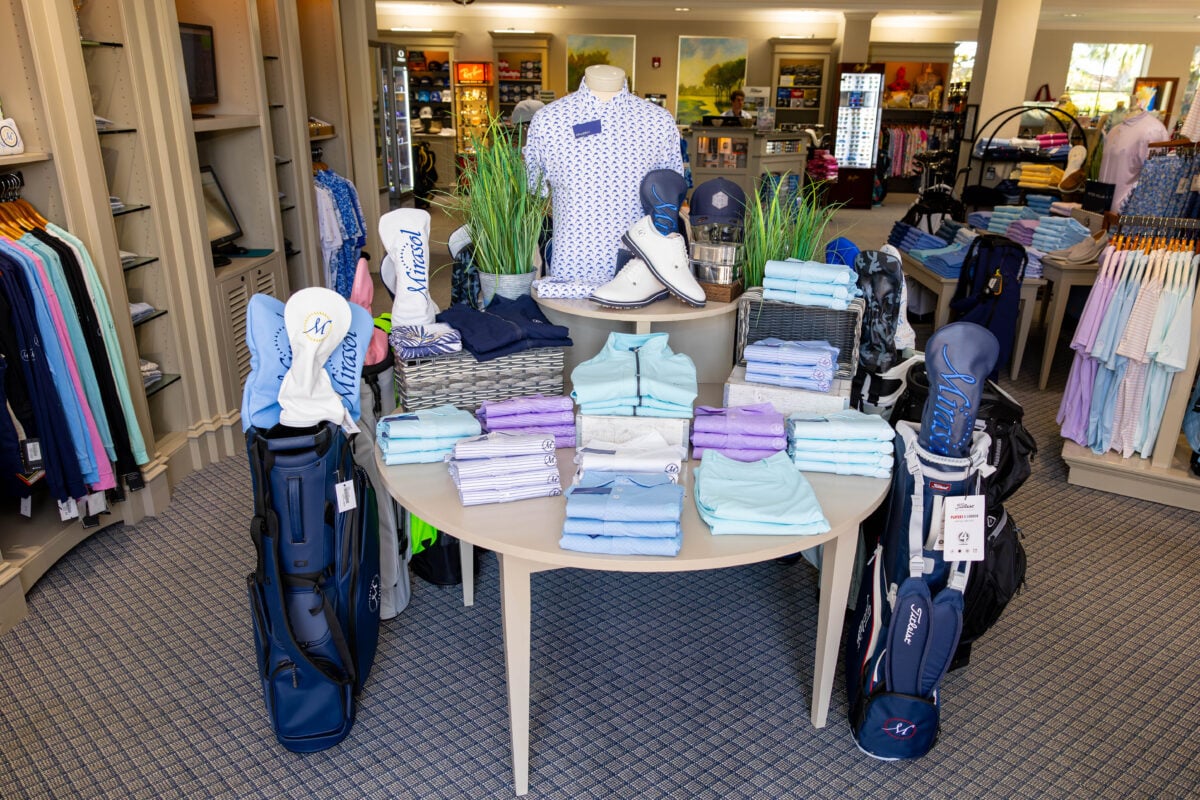
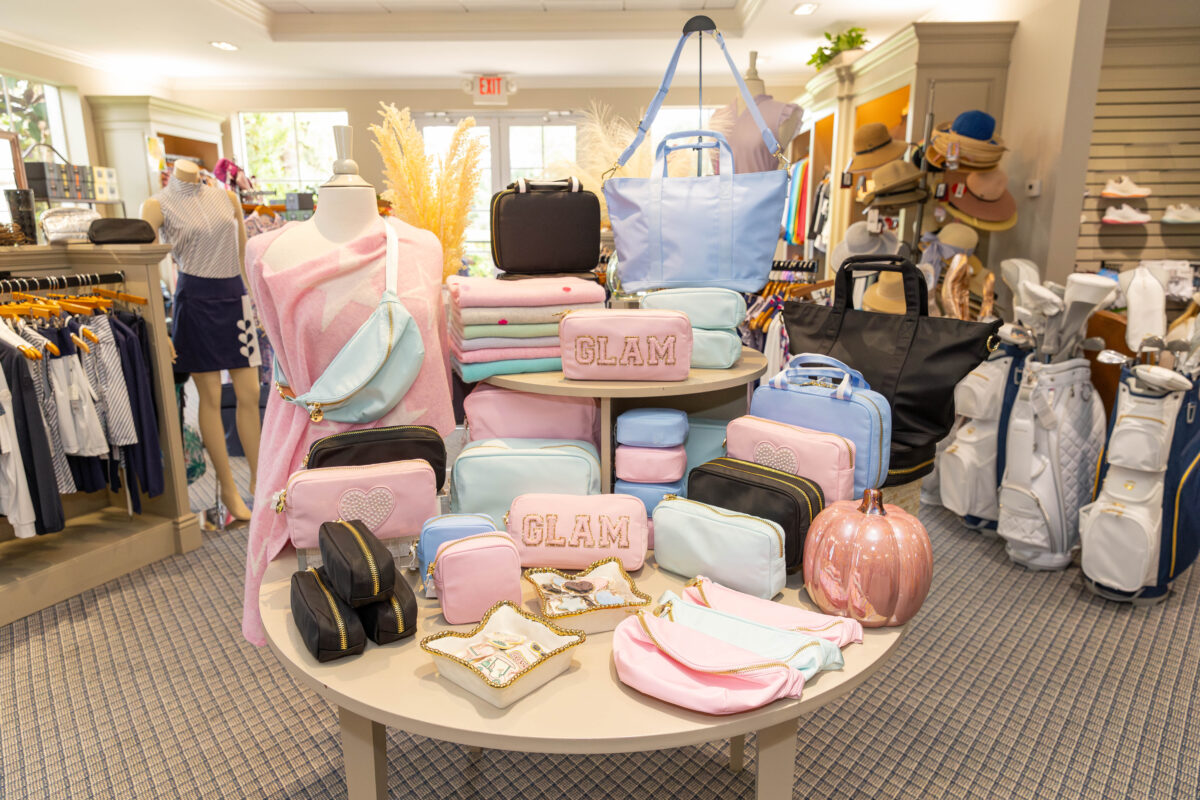
Use visuals to your advantage. When inventory isn’t turning as fast, presentation does a lot of heavy lifting. Simple changes — rotating displays, refreshing mannequins, spotlighting different collections — can make existing product feel new again.
Know your exit plan upfront. Before product ever hits the floor, buyers should know how they’ll handle slower sellers. Having a plan for markdowns, transfers, or clearance removes a lot of stress later.
The Bottom Line
A longer season is ultimately a good thing for Florida country club retail. More time, more traffic, and more opportunity. But it also means buyers and merchandisers have to stay flexible, watch the data closely, and adjust along the way.
The old seasonal playbook isn’t wrong — it just needs an update. Those who adapt to this longer, more fluid season will protect margins, reduce markdowns, and deliver a better experience for members who now spend a little more of the year calling Florida home.
To join a merchandiser community and gain weekly educational opportunities and resources, sign up to become a member of the AGM.
What’s Trending in Women’s Fashion 2026 and What It Could Mean for Golf
Explore Women’s Fashion 2026 trends from MAGIC Las Vegas and see how lace, color, prints [...]
Oct

The Shrink You Don’t See: What Golf Shops Can Learn from How the Rest of Retail Thinks About Loss
Shrink is costing golf shops more than theft. See how tighter operations, better habits and [...]
Oct

Tools and Tech Ideas to Improve Your Golf Shop Sales & Engagement
How can tools and tech turn your shop into an experience? Explore practical ideas for [...]
Oct
Golf Style is Loosening Up Without Losing Its Roots
Golf style is evolving with bold polos, textures and streetwear influence, helping retailers reach younger [...]
Sep

Registration Is Open for the 2027 AGM Retail Conference
It's official: registration is now open for the 2027 AGM Retail Conference! See what’s ahead [...]
Sep
Mahjong Is Finding a Home at Golf and Country Clubs
Is mahjong on your golf shop radar? Discover why the game is growing at clubs [...]
Sep

What Two Fashion Shows Told Us About Your Next Apparel Order
See what two fashion shows revealed about Spring/Summer 2027 trends and how they can shape [...]
Sep

Football Season in the Golf Shop: Displays, Promotions and Member Engagement Ideas
Bring football season into the golf shop with spirited displays, friendly rivalries, game-day promotions and [...]
Sep