

Written by Katelyn Madsen
In retail, understanding your customers is just as important, if not more important, as curating a great product assortment. You can do all of the work tracking sales data and monitoring trends, but those numbers only tell part of the story. A focus group fills in the gaps by gathering a small group of members or loyal customers to openly share their preferences, opinions, and frustrations.
What Are Focus Groups in Retail?
A focus group is a small, guided discussion with select customers or members that is designed to gather feedback, opinions, and insights to improve your business decisions.
Focus groups are powerful because they:
- Reveal why certain products do or don’t sell
- Help you identify fit, style, and pricing preferences that data alone can’t show
- Strengthen member loyalty by making shoppers feel heard and valued
- Reduce the risk of buying mistakes by ensuring your inventory aligns with real customer demand
How to Run a Successful Focus Group
Running a focus group doesn’t need to be complicated. Here’s a simple approach to get actionable insights without overwhelming your schedule:
1. Pick the Right Participants
Invite 10–15 people who represent a mix of your target audience. The goal is for the variety of your customers to be heard.
- Include frequent buyers, influential members, or those who give informal feedback often.
- For multi-shop clubs, include participants from each location.
2. Set a Clear Agenda
Decide what you want to learn and develop 2–4 questions surrounding each of those topics (the number of questions can vary depending on what you want to learn). You may not have time to ask all of your questions if your participant panel is chatty, but know that a communicative panel is a good one. It is best to come overprepared but be flexible for change.
- Topics of discussion can include logo preferences, trunk shows, pricing comfort zones, shop events, apparel, hard goods, and so on.
- The AGM recommends that you share the basic agenda in advance so participants can come prepared.
3. Create a Comfortable Environment
Offer light snacks and drinks to make it feel friendly and casual. Additionally, encourage open conversation. Let members talk to each other as well as to you.
4. Ask Open Questions – Important!
Questions that can only be answered “yes” or “no” should be avoided as much as possible. Since the goal is to get varied, full length responses, asking a closed question like “Would you pay $X for this?” limits the participants from sharing their full thoughts. You can throw some of those questions in there, but aim for the majority to be open-ended.
- “Would you pay $65 for this polo?” VS “How much would you pay for this polo?”
5. Use Visuals and Prompts
Show applicable line sheets, sample products, or slow-moving pieces in inventory to spark conversation. You may be surprised at how well adding a visual component unlocks thoughtful and specific feedback.
6. Take notes and/or record the session
Permission must be granted.
7. Wrap Up
- Summarize your key insights: “From what we discussed, it seems like the main areas for improvement are…”
- Invite any last comments.
- Follow up with attendees to show their feedback is driving action. This increases loyalty and reinforces that their input truly matters.
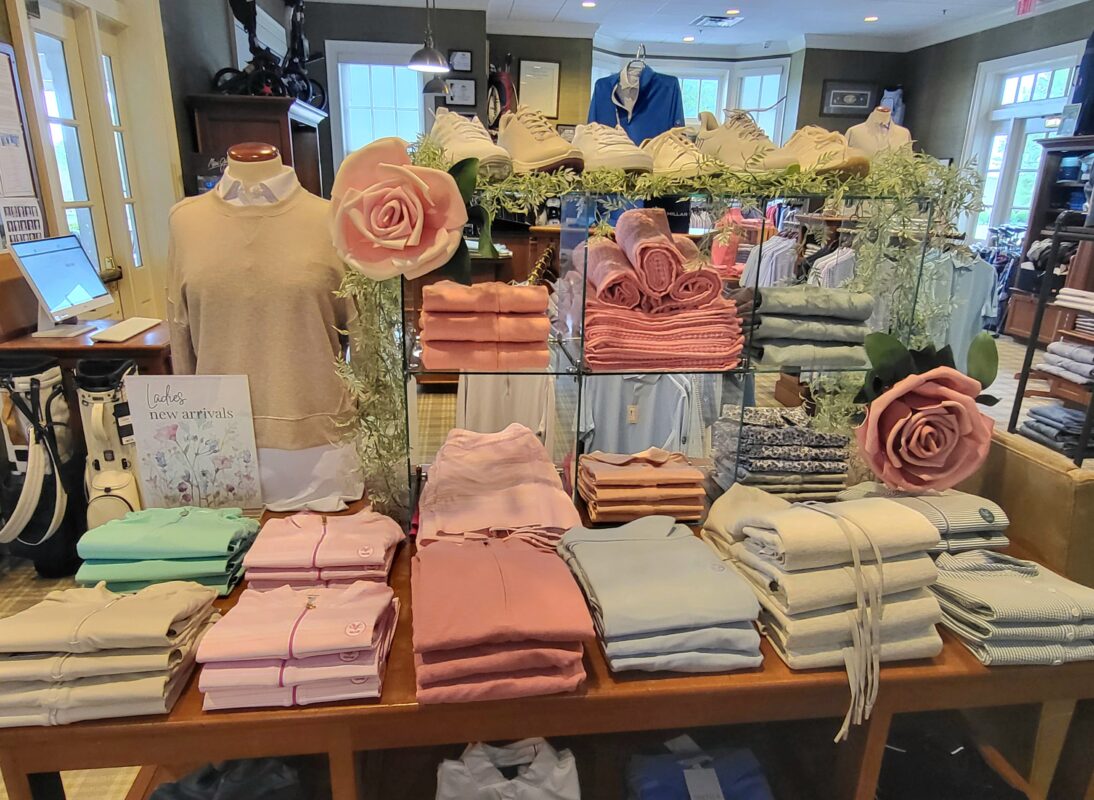
Real-World Example: Wendy Cash at the Country Club of Virginia
Wendy Cash and her colleague, Jessica Moneymaker (together known as “Cash Money” to their members), manage two of the shop locations at The Country Club of Virginia. In communicating, they realized that they faced a common challenge:
- Women’s apparel was tricky to get right.
- Preferences varied between shop locations, one shop selling more longer skirts, while the other sold more shorter and sleeveless styles.
- Their members had strong opinions about logos, pricing, and fit, but these insights weren’t totally clear from sales data alone.
Their solution was to organize a focus group of 40 women, inviting top buyers and members of the golf committee, to see what is and isn’t working for their members when it comes to women’s apparel. Because who better to ask about your customers than the customers themselves?
One Thursday afternoon, these questions were answered, resulting in:
- Improved buying decisions tailored to each shop location.
- Members preferred one logo over another and suggested logo placement on the sleeve.
- They shared maximum price points they were comfortable paying.
- They confirmed that they preferred logoed items but weren’t fans of traditional trunk shows due to inconvenient hours.
- Reduced slow-moving inventory thanks to better-informed purchasing.
- Stronger member engagement, with participants excited to see their feedback reflected in the shop.
If you want to hear more about Wendy’s experience, including her other creative approaches to member engagement and staff training, listen to her episode on AGM’s The Fairway to Retail Success podcast.
Wendy Cash’s example is just one illustration of what is possible when merchandisers take the time to listen intentionally. While every shop is different, the underlying takeaway remains the same: when you create space for honest feedback, your customers will tell you exactly what they need– You just have to be willing to ask and act on it.
Conclusion
Focus groups are a low-cost, high-impact way to better understand your members, refine your assortment, and make more confident buying decisions. They bridge the gap between what your data shows and what your customers actually feel, giving you clarity that numbers alone cannot provide.
By simply asking your shoppers what they want and acting on your findings, you can transform your shop into a space that truly feels tailored to your community. You do not need a large budget or a complicated process to get started either. With the right group, thoughtful questions, and a willingness to listen, you can uncover insights that directly shape your success.
All you have to do is ask.
Let us know at info@agmgolf.org if you implement these insights in your shop. We would love to hear how your focus groups go!
To join a merchandiser community and gain weekly educational opportunities and resources, sign up to become a member of the AGM.
What’s Trending in Women’s Fashion 2026 and What It Could Mean for Golf
Explore Women’s Fashion 2026 trends from MAGIC Las Vegas and see how lace, color, prints [...]
Oct
The Shrink You Don’t See: What Golf Shops Can Learn from How the Rest of Retail Thinks About Loss
Shrink is costing golf shops more than theft. See how tighter operations, better habits and [...]
Oct
Tools and Tech Ideas to Improve Your Golf Shop Sales & Engagement
How can tools and tech turn your shop into an experience? Explore practical ideas for [...]
Oct
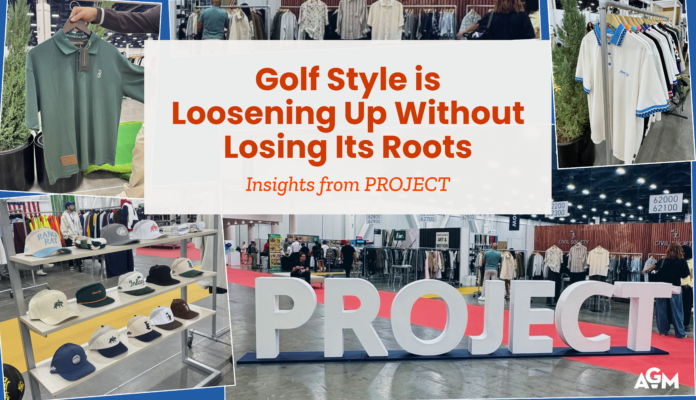
Golf Style is Loosening Up Without Losing Its Roots
Golf style is evolving with bold polos, textures and streetwear influence, helping retailers reach younger [...]
Sep
Registration Is Open for the 2027 AGM Retail Conference
It's official: registration is now open for the 2027 AGM Retail Conference! See what’s ahead [...]
Sep
Mahjong Is Finding a Home at Golf and Country Clubs
Is mahjong on your golf shop radar? Discover why the game is growing at clubs [...]
Sep
What Two Fashion Shows Told Us About Your Next Apparel Order
See what two fashion shows revealed about Spring/Summer 2027 trends and how they can shape [...]
Sep
Football Season in the Golf Shop: Displays, Promotions and Member Engagement Ideas
Bring football season into the golf shop with spirited displays, friendly rivalries, game-day promotions and [...]
Sep