

Every golf shop operates within a slightly different rhythm. Climate, the length of the local playing season, and the travel habits of your customers all influence what sells, when it sells, and how long it should stay on the floor. Understanding these factors helps merchandisers build assortments that feel relevant to their golfers while also improving sell-through and reducing end-of-season markdowns.
Start with Your Climate Reality
Climate is one of the most influential factors in golf retail assortment planning. In many parts of the world, golf is played nearly year-round, while other regions experience shorter or more weather-dependent playing seasons.
For shops located in warmer climates, assortments often lean heavily into lightweight performance fabrics, UPF sun protection, and breathable layering pieces that work across multiple seasons. Items such as short-sleeve polos, performance skirts, sun shirts, and lightweight quarter-zips tend to sell consistently because they suit the conditions golfers experience most often.
In cooler or more seasonal climates, however, the playing window may be much shorter. Courses in northern regions of North America, parts of Europe, and other cooler markets may see the majority of rounds played within a five- to six-month window. In these locations, assortments often benefit from tighter seasonal planning that emphasizes peak play months, along with outerwear and mid-layers that help extend the playing season in early spring and fall.
The key is to match your product mix to the real conditions golfers experience at your course, rather than simply following a brand’s global seasonal calendar.
Align Inventory with Your True Play Season
Beyond general climate, every course has a slightly different play calendar. Some clubs experience a surge during member-guest tournaments and summer events, while resort destinations may see stronger traffic during shoulder travel seasons.
Studying tee sheet activity, tournament calendars, and historical sales data can reveal when your shop truly needs the most inventory. For example:
- A private club in the American Midwest may see its biggest retail weeks during member-guest tournaments and club championships in June and July.
- A destination course in Palm Springs, California or Scottsdale, Arizona may see its busiest retail months from January through April, when snowbird travel peaks.
- A public course near a major tourist destination may experience strong merchandise sales during weekend travel periods and holidays.
Many successful shops plan deliveries so that new product arrives just before their busiest play windows, ensuring that the shop feels fresh and fully stocked when golfers are most active.
Understand Your Customer’s Travel Habits
Golfers are often frequent travelers, and that behavior can strongly influence purchasing patterns in the shop. Golf tourism continues to grow, with the National Golf Foundation reporting that over 12 million golfers take golf-related trips each year in the United States alone.
Members may shop for apparel before trips to warmer or different climates, looking for pieces that travel well and work in multiple settings. If your membership travels frequently, it can be helpful to include transitional apparel such as:
- Lightweight quarter-zips
- Packable rain layers
- Wrinkle-resistant polos
- Versatile lifestyle pieces that work on and off the course
Resort and destination courses may see the opposite pattern. Visiting golfers often purchase weather-appropriate apparel they did not pack. For example, shops in coastal or mountain destinations often see strong demand for outerwear, hats, and layering pieces when weather conditions change quickly.
Understanding whether your customers are local regulars or traveling golfers can help guide assortment depth in these categories.
Use Data to Refine Future Assortments
The most effective assortment planning evolves over time. Reviewing sell-through reports, inventory turns, and seasonal sales trends can reveal which items performed well during certain weather patterns or travel periods.
Many merchandisers rely on open-to-buy plans, forecasting spreadsheets, and vendor performance reports to guide purchasing decisions. Over time, these tools help identify patterns such as:
- Which product categories perform best during peak play months
- How quickly certain seasonal items sell through
- Which vendors consistently align with the shop’s climate and customer profile
Even small adjustments based on this data can have a significant impact on inventory efficiency and profitability.
For those looking to strengthen the numbers behind these decisions, the AGM Merchandise Manual includes step-by-step guidance on retail math, key metrics, and assortment planning tools designed specifically for golf retail. Access available to AGM members.
The Takeaway
Climate, season length, and travel habits all shape how golfers shop. When merchandisers plan assortments around these real-world factors, they create shops that feel more relevant to their customers and more efficient from an inventory perspective. It’s a win-win: smarter inventory for the business and a better shopping experience for the golfer.
To join a merchandiser community and gain weekly educational opportunities and resources, sign up to become a member of the AGM.

What’s Trending in Women’s Fashion 2026 and What It Could Mean for Golf
Explore Women’s Fashion 2026 trends from MAGIC Las Vegas and see how lace, color, prints [...]
Oct
The Shrink You Don’t See: What Golf Shops Can Learn from How the Rest of Retail Thinks About Loss
Shrink is costing golf shops more than theft. See how tighter operations, better habits and [...]
Oct

Tools and Tech Ideas to Improve Your Golf Shop Sales & Engagement
How can tools and tech turn your shop into an experience? Explore practical ideas for [...]
Oct
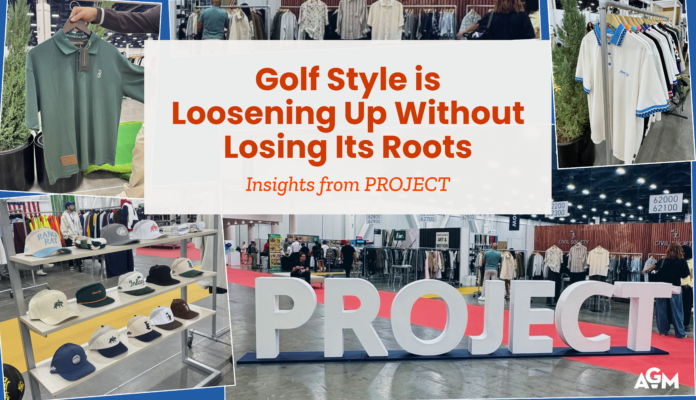
Golf Style is Loosening Up Without Losing Its Roots
Golf style is evolving with bold polos, textures and streetwear influence, helping retailers reach younger [...]
Sep

Registration Is Open for the 2027 AGM Retail Conference
It's official: registration is now open for the 2027 AGM Retail Conference! See what’s ahead [...]
Sep
Mahjong Is Finding a Home at Golf and Country Clubs
Is mahjong on your golf shop radar? Discover why the game is growing at clubs [...]
Sep

What Two Fashion Shows Told Us About Your Next Apparel Order
See what two fashion shows revealed about Spring/Summer 2027 trends and how they can shape [...]
Sep

Football Season in the Golf Shop: Displays, Promotions and Member Engagement Ideas
Bring football season into the golf shop with spirited displays, friendly rivalries, game-day promotions and [...]
Sep