

Written by Katelyn Madsen
In retail, there is constant pressure to evolve. There are always new trends to jump on, new products to sell, and new expectations. But change for the sake of change rarely leads to better results. The most effective merchandisers are not the ones reinventing everything. They are the ones who know exactly what to continue and what to adjust.
A simple framework can make this process clearer and more actionable: What’s staying, and what’s changing?
This approach gives you permission to move forward without losing the foundation that already works.
What’s Staying
Start by identifying the elements of your shop that consistently perform. These are not always the newest or most exciting pieces, but they are the ones your business relies on.
Core brands that deliver season after season should remain anchors in your assortment. These are the lines your customers trust and return to, often without needing to be resold.
Proven displays are another area to protect. If a table, fixture, or signage concept consistently drives sell-through, it is doing its job. Resist the urge to overhaul it just for the sake of freshness. Instead, find small aspects that you can update while using the same framework.
Look closely at your best-selling silhouettes. Whether it is a specific polo fit, layering piece, or accessory category, these items reveal what your customer actually wants, not just what is trending.
The same goes for email formats that convert. If certain subject lines, layouts, or promotional structures consistently drive opens and clicks, keep them in your rotation. Consistency builds recognition.
What’s Changing
Once you have clearly defined what is staying, it becomes much easier to identify what needs to shift. Slow-moving categories are the most obvious place to start. If something is consistently underperforming, it is not just a product issue. It may be a sign to reassess pricing, placement, or whether that category belongs in your shop at all.
Your floor layout is another opportunity. Even small adjustments can improve flow, highlight key products, and create a more engaging in-store experience. Consider shifting something in your shop layout once a quarter to keep things fresh. Again, this does not require a full reset, just a small change that will perk member curiosity.
Staff training should also evolve with your business. If your team is confident in product knowledge but struggles with add-on sales or storytelling, that is where your attention should shift next.
Finally, revisit your marketing messaging. The way you position product matters just as much as the product itself. A simple shift in language can turn an overlooked item into a must-have.
- Instead of: “New spring layering piece.” Try: “Perfect for those early tee times and breezy evenings on the patio.”
- Instead of: “Quarter-zip pullover.” Try: “Your everyday layer for unpredictable weather on and off the course.”
The product didn’t change, but the context did. When you connect items to real moments, they become easier for customers to say yes to.
Why This Works
This framework removes the all-or-nothing mindset that often comes with change. You are not starting over. You are refining.
When merchandisers clearly define what is staying, they protect their revenue drivers. When they intentionally choose what is changing, they create space for growth. Both of which are necessary.
The goal is not to do more. It is to do what works, better. Set aside time with your team this week to walk through what’s staying and what’s changing. Aligning on this now can make your next buying, merchandising, and marketing decisions much more intentional.
To join a merchandiser community and gain weekly educational opportunities and resources, sign up to become a member of the AGM.
What’s Trending in Women’s Fashion 2026 and What It Could Mean for Golf
Explore Women’s Fashion 2026 trends from MAGIC Las Vegas and see how lace, color, prints [...]
Oct
The Shrink You Don’t See: What Golf Shops Can Learn from How the Rest of Retail Thinks About Loss
Shrink is costing golf shops more than theft. See how tighter operations, better habits and [...]
Oct

Tools and Tech Ideas to Improve Your Golf Shop Sales & Engagement
How can tools and tech turn your shop into an experience? Explore practical ideas for [...]
Oct
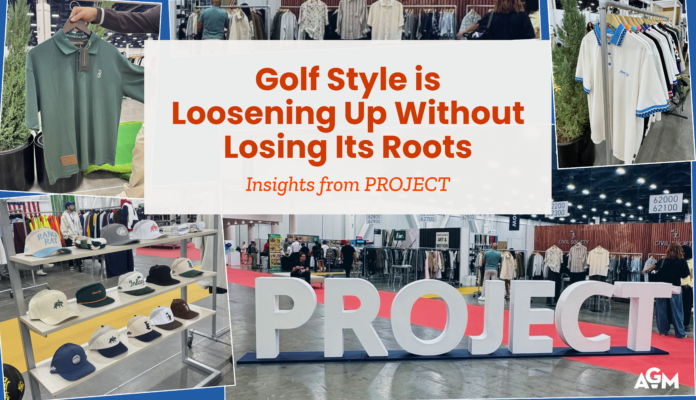
Golf Style is Loosening Up Without Losing Its Roots
Golf style is evolving with bold polos, textures and streetwear influence, helping retailers reach younger [...]
Sep
Registration Is Open for the 2027 AGM Retail Conference
It's official: registration is now open for the 2027 AGM Retail Conference! See what’s ahead [...]
Sep
Mahjong Is Finding a Home at Golf and Country Clubs
Is mahjong on your golf shop radar? Discover why the game is growing at clubs [...]
Sep
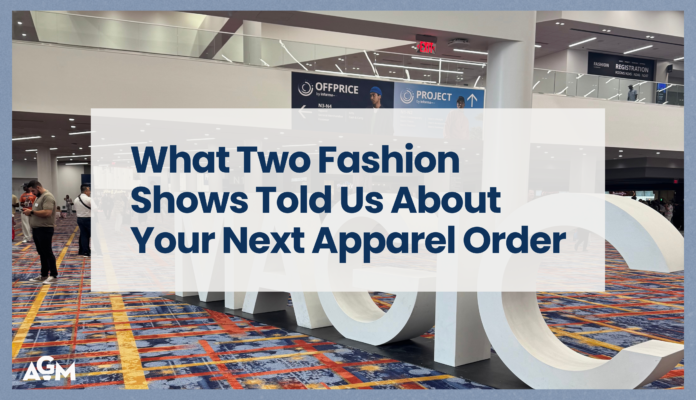
What Two Fashion Shows Told Us About Your Next Apparel Order
See what two fashion shows revealed about Spring/Summer 2027 trends and how they can shape [...]
Sep
Football Season in the Golf Shop: Displays, Promotions and Member Engagement Ideas
Bring football season into the golf shop with spirited displays, friendly rivalries, game-day promotions and [...]
Sep