

Written by Katelyn Madsen
In the world of golf, few events carry the same cultural weight or visual splendor as the iconic springtime tournament in Georgia. While the pristine fairways and competitive drama may draw global attention, it’s the fashion, both on and off the course, that quietly steals the show year after year.
A Tradition of Elegance
Fashion at this event isn’t just about clothes, it’s about heritage. Over the decades, the tournament has evolved into an unspoken runway, where patrons and players arrive in their finest. From the sharply dressed fans in pastels and loafers to toddlers in custom onesies and gingham sun hats, the sense of occasion is unmistakable.
On the course, golfers embrace their own form of storytelling through their attire. Classic looks—like Arnold Palmer’s buttoned-up cardigans or Ben Hogan’s crisp polos—set a precedent for sophisticated sportswear that continues to influence modern players.
Style Icons and Standouts
As fashion evolved, so did the willingness of players to push boundaries. Here are just a few of individuals who have stood out in their Augusta fashion:
- Payne Stewart brought timeless flair with knickerbockers and argyle socks. Known for his signature throwback style, Stewart brought theatrical flair and reverence to the game. His knickerbockers, high socks, and tam o’ shanter caps served as a full tribute to golf’s origins. Even today, this silhouette remains instantly recognizable and continues to influence retro-inspired apparel lines.
- Tiger Woods defined the power of consistency in style. His iconic Sunday red became more than just a color choice, but a personal brand (and even an apparel brand). Clean, athletic fits paired with intentional color strategy reinforced a sense of focus and dominance, showing that repetition, when done right, builds recognition. For merchandisers, it is a reminder that signature pieces and color stories can create lasting impact.
- Arnold Palmer set the foundation for modern golf style. His polished, approachable look including crisp polos, tailored trousers, and occasional cardigans defined what it meant to look both professional and accessible on the course. Palmer’s influence still shows up in today’s heritage-inspired collections, where clean lines and classic color palettes remain core to retail assortments.
- Fred Couples introduced a more relaxed, lifestyle-driven approach to golf fashion. His softer silhouettes and effortless styling brought a sense of ease to Augusta without sacrificing polish. That shift toward comfort and wearability continues to shape modern assortments, especially as shops balance performance with everyday appeal.
- Rickie Fowler has energized the fairways with bold, somewhat rebellious fashion. His bright outfits, flat-brim hats, and athletic tailoring has helped usher in a new era of bold, youth-focused branding and apparel. He proved that color, swagger, and individuality had a place in golf, sparking a trend of younger players embracing bolder aesthetics.
A New Era of Expression
While tradition still anchors the tournament’s aesthetic, modern players are finding ways to express individuality within those boundaries. From subtle pattern play and tonal layering to performance-driven fabrics and tailored fits, I would wager that today’s style is less about standing out for the sake of it and more about showing up with intention.
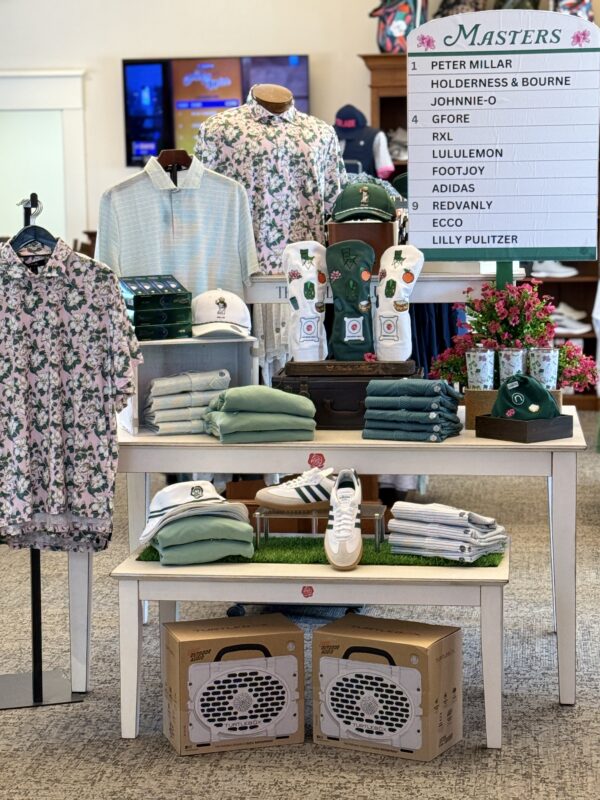
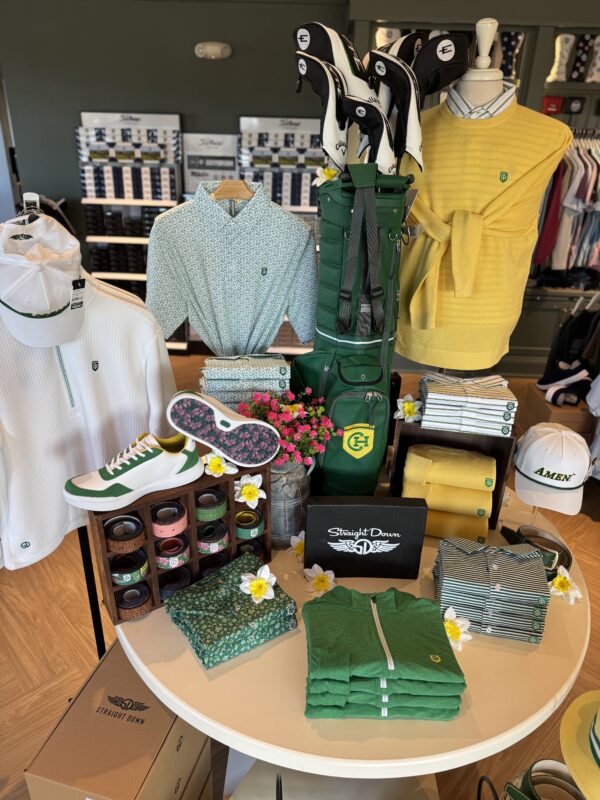
For merchandisers, this moment presents a unique dual demand. Around an event as iconic as this, customers tend to shop in two distinct ways. Some are drawn to the timelessness of the tournament, gravitating toward clean, neutral pieces that mirror the polished looks of players like Tiger Woods or Arnold Palmer. These are the reliable, wearable staples that feel appropriate anywhere and continue to drive steady sell-through.
At the same time, there is a strong appetite for pieces that feel special to the moment. Whether it is a bold color, a unique print, or a standout accessory, many customers see this time of year as an opportunity to have a little more fun with their style. They are not just dressing for the course, but for the experience. That is where more distinctive, limited-feel pieces can create excitement and urgency on the floor.
The opportunity is not in choosing one over the other, but in creating space for both. When core product builds trust and statement product creates energy, the assortment then feels complete.
Spectator Fashion
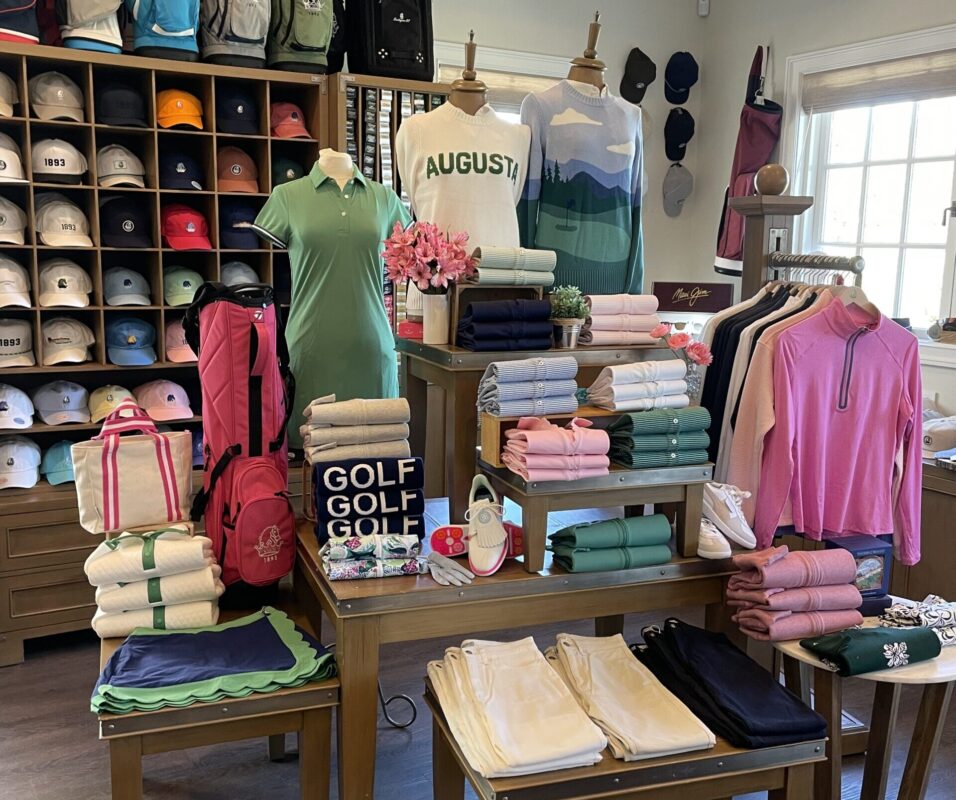
And remember, golf is also a spectator sport. For many customers, they are not just dressing to play, but to attend, socialize, and be part of the atmosphere. That shift in thought expands the role of your assortment beyond performance and into occasion-based dressing as well.
Spectator style brings its own set of expectations. Interesting textures, lightweight layers, spring-driven color palettes, and polished yet comfortable pieces are great to carry someone through a full day on property. These customers are often shopping with a specific moment in mind, whether it is a tournament visit, a member-guest, or simply wanting to capture that same elevated, seasonal feel.
When you account for both the player and the spectator, your assortment becomes more versatile and more intentional. It is no longer just about what performs on the course, but what resonates across the entire experience. As always, it comes back to knowing your audience and whether spectator-focused pieces make sense for your specific customer. If you’re unsure, experiment a bit and see if you get any traction.
Final Thoughts: Golf Tournament Style That Sticks
Year after year, this tournament proves that style in golf is not just about what is worn, but what it represents. Tradition, consistency, and personal expression all play a role in shaping the visual identity of the game. From timeless icons to modern interpretations, the most memorable looks are the ones that feel intentional and authentic to the player.
For merchandisers, that same principle applies. The goal is not to chase every trend or rely solely on the classics, but to create an assortment that reflects both the heritage of the game and the evolving expectations of today’s consumer.
As you plan your next assortment or refresh your floor, consider: What are your “Sunday red” moments? What pieces define your shop’s identity? And where is there room to evolve without losing what already works?
Because at the end of the day, the best style does not just stand out in the moment. It is the kind that customers remember, return to, and ultimately, choose to wear again.
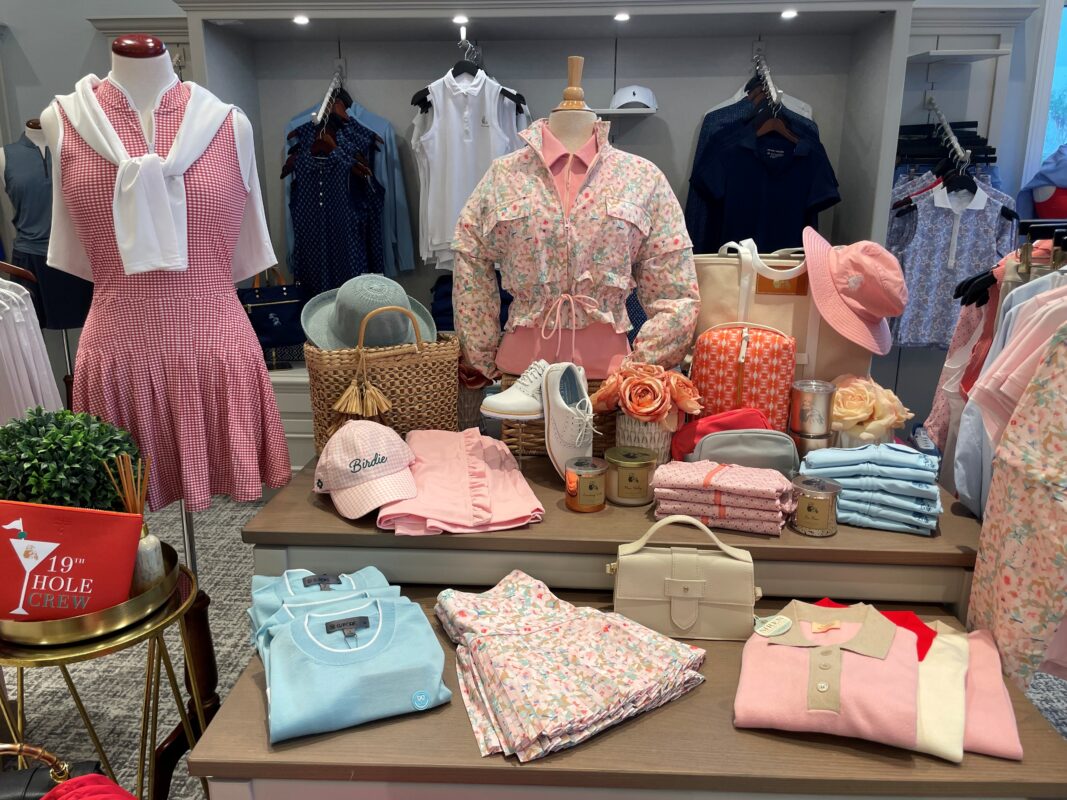
To join a merchandiser community and gain weekly educational opportunities and resources, sign up to become a member of the AGM.

The Overlooked Power of Signage in Golf Retail
Could your golf shop be losing out on sales? Discover how signage in golf retail [...]
Oct
Behind the Curtain at Antigua
Go behind the scenes on an Antigua Factory Tour as AGM members discover the craftsmanship [...]
Oct

Building a Golf Shop Culture People Want to Be Part Of
What makes a great golf shop team? Discover how everyday leadership moments build stronger teams [...]
Oct
What’s Trending in Women’s Fashion 2026 and What It Could Mean for Golf
Explore Women’s Fashion 2026 trends from MAGIC Las Vegas and see how lace, color, prints [...]
Oct
The Shrink You Don’t See: What Golf Shops Can Learn from How the Rest of Retail Thinks About Loss
Shrink is costing golf shops more than theft. See how tighter operations, better habits and [...]
Oct

Tools and Tech Ideas to Improve Your Golf Shop Sales & Engagement
How can tools and tech turn your shop into an experience? Explore practical ideas for [...]
Oct
Golf Style is Loosening Up Without Losing Its Roots
Golf style is evolving with bold polos, textures and streetwear influence, helping retailers reach younger [...]
Sep

Registration Is Open for the 2027 AGM Retail Conference
It's official: registration is now open for the 2027 AGM Retail Conference! See what’s ahead [...]
Sep