


Written by Katelyn Madsen
One of the most frequently asked questions we receive at the AGM is, “How can I better manage my inventory?”
As every retail manager knows, effective inventory management is essential to running a successful business. From overspending on new products to making purchasing decisions without a clear budget, these missteps can significantly impact your shop’s profitability. Our goal is to help you identify these mistakes before they happen, so you can make informed decisions that drive success.
In an AGM Webinar, retail expert Cathy Donovan Wagner stresses the importance of relying on data rather than gut feelings when managing inventory. By understanding and avoiding these common pitfalls, retailers can make smarter purchasing decisions, improve cash flow, and ensure their shelves are stocked with the right products at the right time.
Common Inventory Mistakes to Avoid:
1. Not Having a Budget:
Many retailers fall into the trap of purchasing inventory based on gut feelings or personal preferences rather than hard data. While intuition can play a role in merchandising, it should never replace factual analysis. Without a clear budget in place, retailers risk overbuying slow-moving products or understocking key items, leading to financial strain and missed sales opportunities. A well-planned inventory budget ensures that spending aligns with sales trends, customer demand, and seasonal fluctuations, helping retailers maintain a profitable balance of stock.
2. Buying Based on Cash Flow:
It’s common for retailers to purchase inventory based on how much cash is available at a given moment, rather than following a structured, sales-based budget. While this approach may seem practical in the short term, it often leads to poor inventory decisions, such as overstocking low-performing products while running out of top sellers. Instead, Wagner recommends maintaining an inventory plan that prioritizes best sellers and ensures a steady flow of high-demand items. By using sales data to dictate purchasing decisions rather than cash flow fluctuations, retailers can avoid stock imbalances and maintain financial stability.
3. Cutting Inventory Across the Board:
When sales slow down, many retailers instinctively reduce inventory spending across all categories. While this strategy may seem like a logical way to control costs, it can actually backfire. Cutting inventory without analyzing sales trends may result in a shortage of high-demand products, ultimately driving customers to competitors.
Instead of making broad cuts, focus on your “Never Out Of” items—your proven best sellers that consistently generate revenue. Prioritizing these core products ensures that customers can always find what they need, keeping sales steady even during slower seasons. Once those essentials are stocked, allocate the remaining budget strategically to other inventory categories.
4. Overspending on New Products:
New products are exciting, and bringing in fresh merchandise can keep a store’s assortment engaging. However, make sure that you don’t excessively spend on new inventory without a plan to move slow sellers. This can create financial strain and lead to overstocked shelves filled with unsold products. Wagner advises striking a balance between innovation and practicality: simultaneously work on clearing out non-sellers and replenishing best performers while adding in new products. A data-driven approach to purchasing will prevent unnecessary stockpiling and ensure that new products contribute to, rather than hinder, overall profitability.
Conclusion
Inventory mistakes can be costly, but with a strategic approach, retailers can optimize their purchasing decisions and maintain a healthy balance of stock. By setting a clear budget, using sales data to guide buying decisions, and prioritizing best sellers over impulse purchases, businesses can avoid common pitfalls and improve their bottom line. Smart inventory management isn’t about guessing—it’s about making informed choices that drive profitability and keep customers coming back.
This article was based on the AGM webinar, “Managing Inventory for 2024” featuring Cathy Donovan Wagner. To watch the full webinar and gain more industry insight, visit the AGM’s YouTube Channel. Only members can view.
To join a merchandiser community and gain weekly educational opportunities and resources, sign up to become a member of the AGM.

What’s Trending in Women’s Fashion 2026 and What It Could Mean for Golf
Explore Women’s Fashion 2026 trends from MAGIC Las Vegas and see how lace, color, prints [...]
Oct

The Shrink You Don’t See: What Golf Shops Can Learn from How the Rest of Retail Thinks About Loss
Shrink is costing golf shops more than theft. See how tighter operations, better habits and [...]
Oct

Tools and Tech Ideas to Improve Your Golf Shop Sales & Engagement
How can tools and tech turn your shop into an experience? Explore practical ideas for [...]
Oct
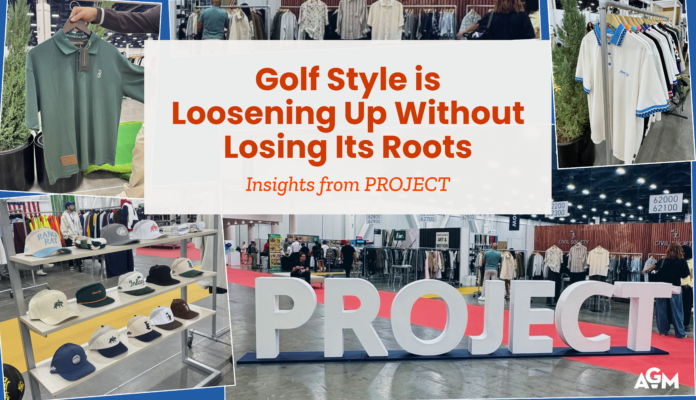
Golf Style is Loosening Up Without Losing Its Roots
Golf style is evolving with bold polos, textures and streetwear influence, helping retailers reach younger [...]
Sep

Registration Is Open for the 2027 AGM Retail Conference
It's official: registration is now open for the 2027 AGM Retail Conference! See what’s ahead [...]
Sep
Mahjong Is Finding a Home at Golf and Country Clubs
Is mahjong on your golf shop radar? Discover why the game is growing at clubs [...]
Sep

What Two Fashion Shows Told Us About Your Next Apparel Order
See what two fashion shows revealed about Spring/Summer 2027 trends and how they can shape [...]
Sep

Football Season in the Golf Shop: Displays, Promotions and Member Engagement Ideas
Bring football season into the golf shop with spirited displays, friendly rivalries, game-day promotions and [...]
Sep