

Market research can sound like one of those “business buzzword” tasks: important in theory, but easy to put off when you’re trying to actually build and grow a brand.
Here’s the truth: market research is what protects you from expensive assumptions.
Whether you’re launching a new product, expanding into a new region, or trying to refine your message, strong market research gives you the confidence to move forward with clarity instead of guessing.
So if you’ve ever wondered, “What are the actual steps of market research?” — here’s the breakdown.
Step 1: Define the Problem and Your End Goal
Market research starts with one essential question: What are we trying to accomplish?
Because without a clear goal, research becomes scattered fast. You end up collecting random information that feels interesting but doesn’t lead to a decision.
Instead, define what you need answered.
Examples:
- Which market should we enter first and why?
- What is the best price point for this product?
- Why aren’t customers converting?
- What features matter most to our ideal buyer and why?
The clearer your goal, the more useful your research becomes.
Step 2: Identify Your Target Audience
The best research is specific, which means you need to narrow your focus.
Even within golf retail, “golfers” are not one audience. Your insights will change depending on whether your buyer is:
- a private club shopper
- a public course golfer
- a trend-driven golf fashion customer
- a tournament player who wants performance
- a gift buyer shopping for someone else
Before you collect data, define who you’re studying and what makes them different.
A simple approach:
- Pick 1–3 customer segments
- Define what they value
- Define what influences their buying decisions
This step helps you avoid broad data that doesn’t actually apply to your real customer.
Step 3: Gather Secondary Research (Desk Research)
This is the research you don’t have to create yourself, and it’s the smartest place to start.
Secondary research includes:
- market size and growth trends
- competitor pricing and positioning
- cultural buying patterns
- golf participation rates
- industry trend reports
It helps you build a baseline understanding of the landscape you’re entering so that you’re not starting from zero. It’s a way of asking “What do we already know and what’s already been proven?”
Step 4: Gather Primary Research (Real People, Real Insights)
This is where market research becomes truly valuable. Primary research means collecting original feedback straight from your source demographic.
Common methods include:
- surveys
- interviews (customers, retailers, reps, buyers)
- focus groups
- product testing
- test marketing campaigns (ads or limited product launches)
This step helps you understand what people actually think, not what you assume they think.
This matters because customers often buy for reasons brands never anticipate.
Step 5: Analyze and Interpret the Data
Collecting information is only half the job. The real work is turning statistics into usable insights.
This step is where you look for:
- patterns and repeated comments
- unmet needs in the market
- barriers to buying (price, trust, fit, shipping, style)
- what/who customers compare you to
- what customers want but can’t find
Don’t look for “data.” Look for decisions. If your research doesn’t lead to a clear takeaway, it needs deeper interpretation.
Step 6: Make Recommendations (Turn Research into Strategy)
Once you understand the market, your research should become actionable.
This is where you make decisions like:
- what product(s) to launch
- what country/region to enter first
- what the best positioning should be
- what your pricing strategy should be
- what types of messaging will land
Your research should lead to a plan that feels clear and intentional.
Step 7: Implement and Monitor Results
Market research is only finished when you test it. Once you implement, keep a close eye on performance and measure what happens.
For example, monitor:
- conversion rate
- top-selling SKUs
- return reasons
- repeat purchase behavior
- customer feedback
- engagement and click rates (if it’s a marketing test)
This step turns your research into a feedback loop that gets stronger over time. Good market research is meant to be an ongoing process, not a one-time “fix it” project.
Final Thought: Market Research Is a Shortcut
Market research doesn’t slow you down. Instead, it prevents you from wasting time on the wrong products, the wrong pricing, the wrong messaging, or the wrong market.
If you want to grow confidently — especially in competitive industries like golf retail — the brands that win are the ones that listen early and adjust quickly.
Because guessing is expensive and intentionality sells.
To join a merchandiser community and gain weekly educational opportunities and resources, sign up to become a member of the AGM.
The Overlooked Power of Signage in Golf Retail
Could your golf shop be losing out on sales? Discover how signage in golf retail [...]
Oct
Behind the Curtain at Antigua
Go behind the scenes on an Antigua Factory Tour as AGM members discover the craftsmanship [...]
Oct
Building a Golf Shop Culture People Want to Be Part Of
What makes a great golf shop team? Discover how everyday leadership moments build stronger teams [...]
Oct

What’s Trending in Women’s Fashion 2026 and What It Could Mean for Golf
Explore Women’s Fashion 2026 trends from MAGIC Las Vegas and see how lace, color, prints [...]
Oct
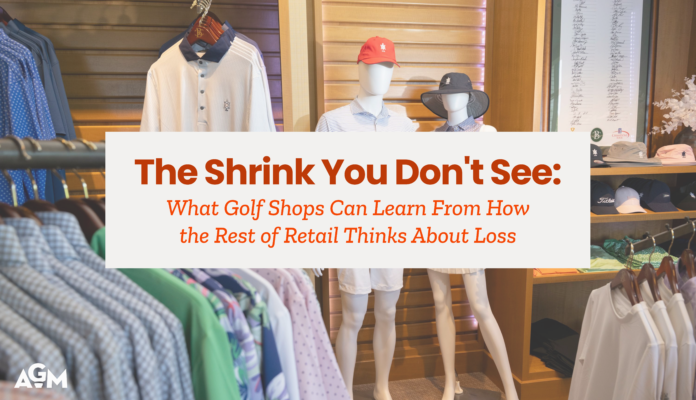
The Shrink You Don’t See: What Golf Shops Can Learn from How the Rest of Retail Thinks About Loss
Shrink is costing golf shops more than theft. See how tighter operations, better habits and [...]
Oct

Tools and Tech Ideas to Improve Your Golf Shop Sales & Engagement
How can tools and tech turn your shop into an experience? Explore practical ideas for [...]
Oct
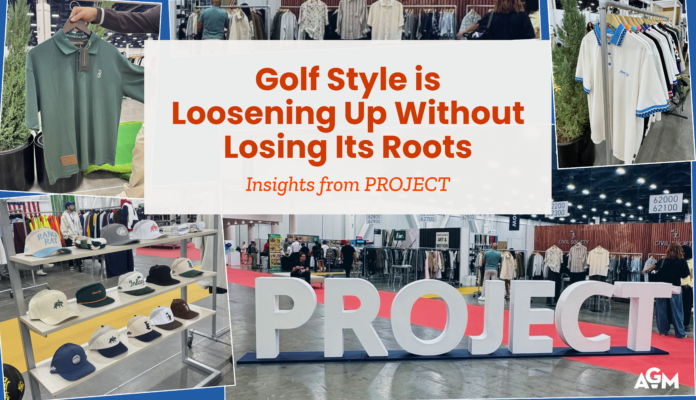
Golf Style is Loosening Up Without Losing Its Roots
Golf style is evolving with bold polos, textures and streetwear influence, helping retailers reach younger [...]
Sep
Registration Is Open for the 2027 AGM Retail Conference
It's official: registration is now open for the 2027 AGM Retail Conference! See what’s ahead [...]
Sep