

Written by Justine Cook | 2-minute read
Inventory management in a golf shop is equal parts art and strategy. You’re not just selecting product—you’re anticipating need, aligning with seasonal rhythms, and reacting to what’s selling (and what’s not). When done well, this process creates consistent sell-through, healthy turns, and a shop that feels fresh, not overstocked or underwhelming.
At AGM, we encourage merchandisers to approach inventory with intention, and that means moving away from a one-and-done seasonal order mindset and toward a cyclical, responsive system. Here’s how to build that into your operations:
1. Forecast in Phases, Not Just Seasons:
Quarterly forecasting doesn’t mean placing one large order every three months. Instead, think in waves and regularly review:
- What’s arriving this month?
- What should be gone by next month?
- What’s trending that needs replenishment?
- What events are on our calendar in the next 30 days? How about holidays?
Use historical data, current sell-through, and upcoming events to shape the plan. Forecasting in phases gives you the flexibility to adapt in real time – the ability to stay nimble is key.
2. Build in Reorder Check-Ins:
Create a standing calendar reminder every 3–4 weeks for a mini reorder review. At this meeting (even if it’s just you and one other staff member), assess:
- Which items are consistently moving?
- Are any sizes or colors sold out?
- Are there upcoming events or tournaments requiring special inventory?
Having a set time to review allows you to stay proactive rather than scrambling when something’s already out of stock. It may be helpful to walk the shop floor during this meeting!
Tip: Treat your top 10 SKUs like VIPs—monitor them weekly and reorder before they run dry.
3. Balance Newness with Flow:
New product is exciting, but flow matters equally. A well-timed reorder of a core piece often outperforms a brand-new fashion item. Strive for a mix: new deliveries for excitement, and replenishments for stability. When possible, partner with vendors offering low minimums or in-season at-once programs. This keeps your floor dynamic without the risk of overstock.
4. Use a Living Checklist:
Even the best plan falls apart without process. Create a living checklist—a document that evolves with your shop. It can include:
- Delivery ETA tracking
- Reorder SKUs and last order dates
- Sell-through benchmarks by category
- Staff feedback or member requests
- Par levels for key items
Update it weekly and consider reviewing it monthly. It can become your retail operations anchor, especially during busy seasons or when training new staff.
The Bottom Line:
When you shift from reactive to intentional inventory management, you regain control of your shop. You reduce markdowns, improve the member experience, and build confidence in every purchase decision.
Inventory doesn’t have to be overwhelming—it just needs a system that works best for you and your unique shop.
To join a merchandiser community and gain weekly educational opportunities and resources, sign up to become a member of the AGM.
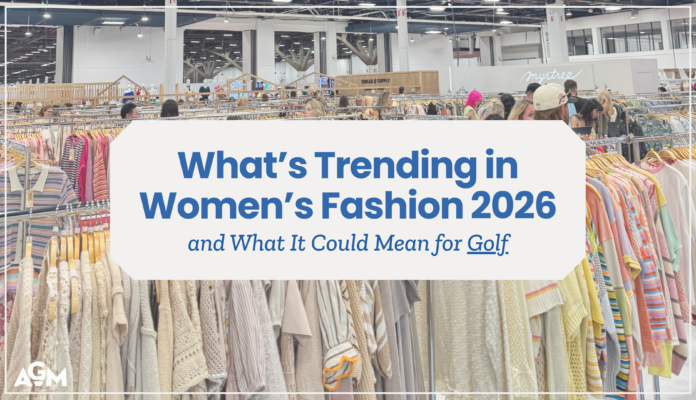
What’s Trending in Women’s Fashion 2026 and What It Could Mean for Golf
Explore Women’s Fashion 2026 trends from MAGIC Las Vegas and see how lace, color, prints [...]
Oct
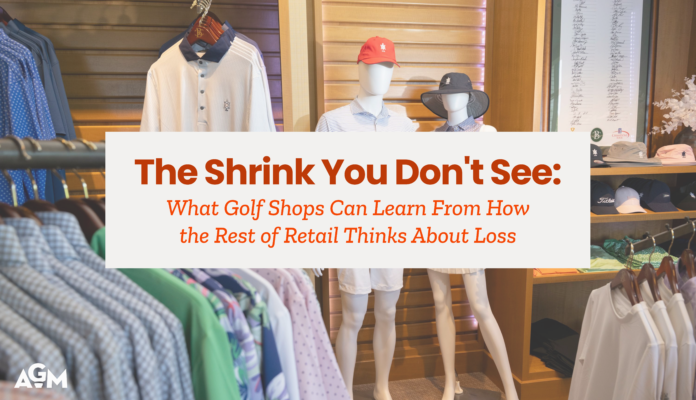
The Shrink You Don’t See: What Golf Shops Can Learn from How the Rest of Retail Thinks About Loss
Shrink is costing golf shops more than theft. See how tighter operations, better habits and [...]
Oct

Tools and Tech Ideas to Improve Your Golf Shop Sales & Engagement
How can tools and tech turn your shop into an experience? Explore practical ideas for [...]
Oct
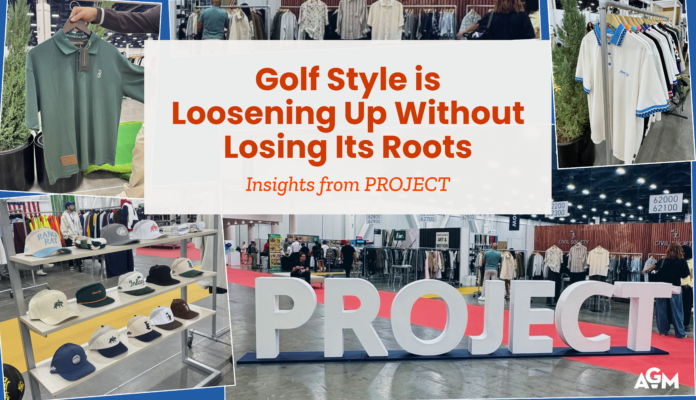
Golf Style is Loosening Up Without Losing Its Roots
Golf style is evolving with bold polos, textures and streetwear influence, helping retailers reach younger [...]
Sep

Registration Is Open for the 2027 AGM Retail Conference
It's official: registration is now open for the 2027 AGM Retail Conference! See what’s ahead [...]
Sep
Mahjong Is Finding a Home at Golf and Country Clubs
Is mahjong on your golf shop radar? Discover why the game is growing at clubs [...]
Sep
What Two Fashion Shows Told Us About Your Next Apparel Order
See what two fashion shows revealed about Spring/Summer 2027 trends and how they can shape [...]
Sep

Football Season in the Golf Shop: Displays, Promotions and Member Engagement Ideas
Bring football season into the golf shop with spirited displays, friendly rivalries, game-day promotions and [...]
Sep